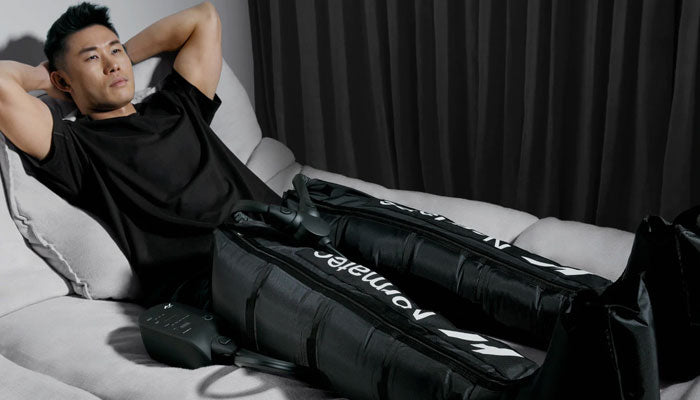
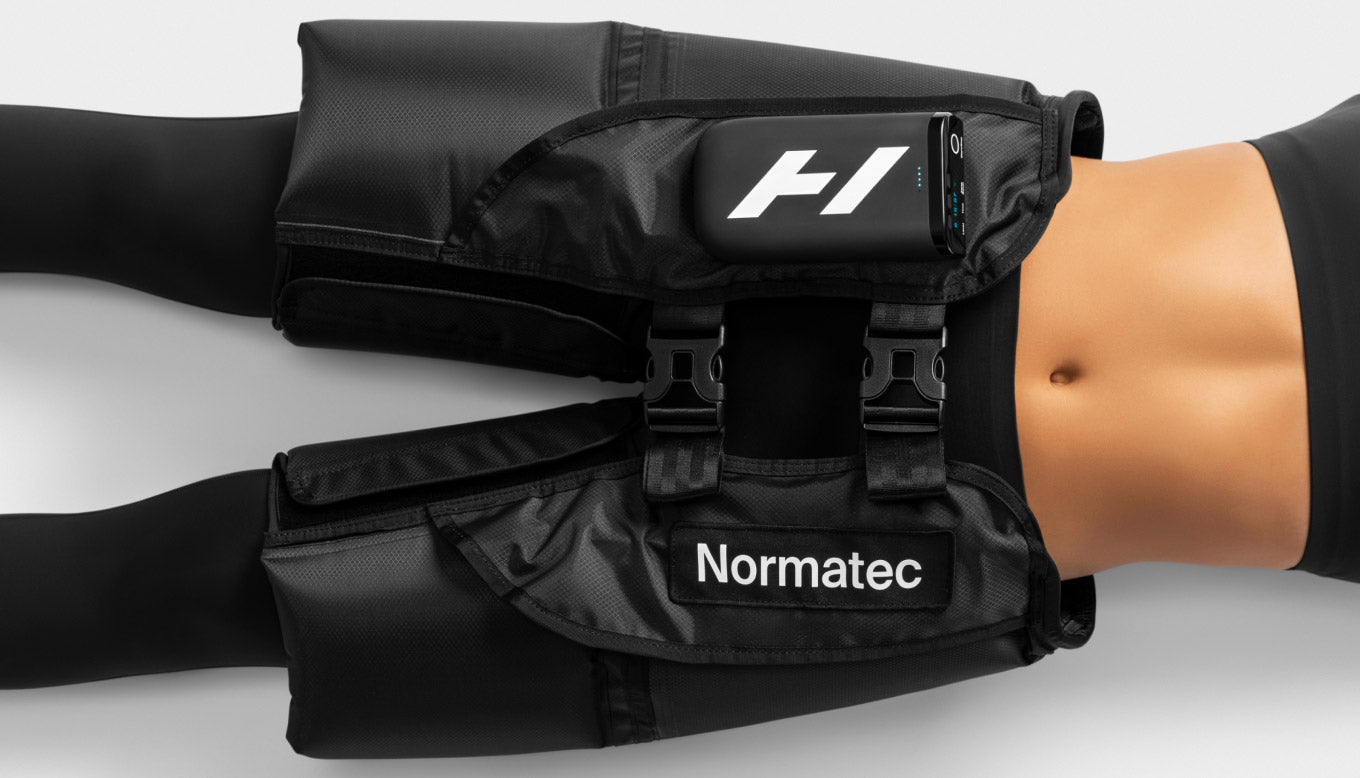
Hard training leaves clues. Heavy legs after a long run, stubborn quad soreness after lower-body strength work, or that flat feeling after back-to-back games usually means your recovery plan needs more than rest alone. The best compression boots for recovery can help move fluid, reduce that heavy-legged sensation, and make it easier to get back to training with less downtime.
Compression boots are not magic, and they are not all built for the same user. Some are made for serious daily use by athletes and clinics. Others make more sense for occasional home recovery, travel, or shared use in a team setting. The right choice depends on how often you train, how hard you push, how portable the system needs to be, and how much control you want over pressure and treatment zones.
What makes the best compression boots for recovery?
The core job is simple. A compression boot system applies sequential air pressure to the legs, usually from the feet upward, to support circulation and help clear post-exercise waste products and excess fluid. Done well, that can leave your legs feeling lighter, less stiff, and more ready for the next session.
Where products start to separate is in how precisely they do that job. Strong systems offer graduated compression, meaning the pressure moves in a controlled pattern rather than simply squeezing the entire leg at once. That matters because recovery is not just about force. It is about the right pressure, in the right zone, in the right sequence.
Fit also matters more than most buyers expect. If the boot is too loose, the treatment feels inconsistent. If it is too tight or the sizing is off, comfort drops fast. For athletes with larger calves or taller frames, proper sizing can be the difference between a tool you use four times a week and one that sits in a closet.
Then there is ease of use. If setup takes too long, you are less likely to stay consistent. For home users, a simple controller and straightforward programs are often better than a menu packed with features you will never use. For clinics, teams, and performance spaces, more customization can be worth paying for because multiple users have different needs.
Best compression boots for recovery
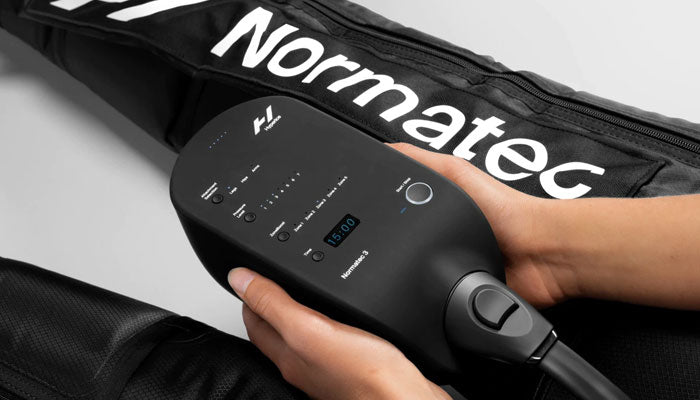
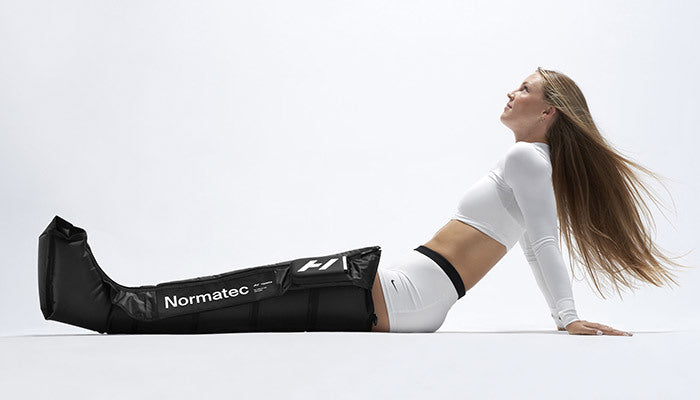
1. Normatec 3 Legs
For many athletes, Normatec remains the benchmark. The Normatec 3 Legs system is known for reliable sequential compression, strong build quality, and a treatment pattern that feels controlled rather than overly aggressive. It is a strong choice for runners, hockey players, cyclists, and field sport athletes who want a premium recovery tool they will use consistently.
Its biggest strength is balance. It offers enough pressure and zone control to feel like a serious recovery system, but it is still user-friendly enough for home use. If you want one of the most proven options on the market, this is the standard many buyers compare everything else against.
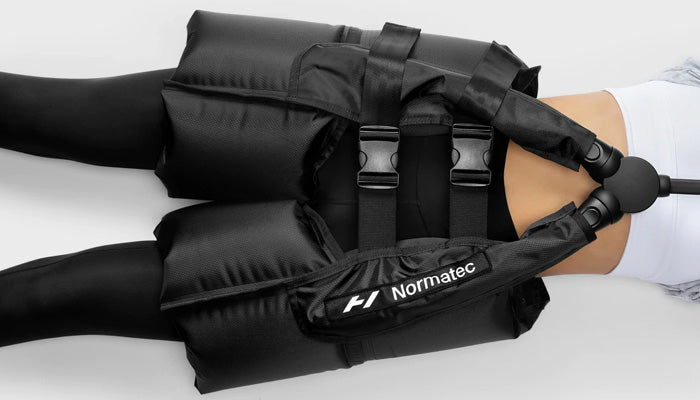
2. Normatec 3 Lower Body
If you want more than just leg treatment, the lower body system deserves a hard look. It expands recovery beyond the legs, which can make sense for athletes dealing with hip tightness, glute fatigue, or broader lower-body soreness after heavy training blocks.
This is especially useful for soccer, football, and strength athletes who do not just feel fatigue in the calves and quads. The trade-off is price and footprint. You are buying a more complete setup, so it makes the most sense for people who train often enough to benefit from that broader coverage.
3. Hyperice recovery systems for frequent athletes
Hyperice has built a strong reputation in performance recovery for a reason. Its compression systems are designed for athletes who value a polished user experience, dependable treatment quality, and a system that fits naturally into a structured recovery routine.
For users already serious about mobility work, hydration, sleep, and post-training recovery, this level of system tends to fit well. You are not paying just for compression. You are paying for consistency, ease of use, and a product category leader trusted in elite sport environments.
4. Clinic-grade multi-user systems
For clinics, performance centres, and team settings, the best compression boots for recovery are often the ones built for repeated daily use across multiple athletes or patients. In that environment, durability, fast turnover, easy sanitation, and sizing flexibility matter as much as pressure quality.
A clinic-grade system may be less relevant for a single home user, but it can be the right investment for physiotherapy practices, university programs, private training facilities, and recovery lounges. When recovery is part of a service offering, reliability and throughput are business considerations, not just comfort features.
5. Entry-level home recovery boots
Not every buyer needs a flagship system. Entry-level compression boots can make sense for active adults who want relief after work, walking, recreational sport, or lighter training. If your goal is basic leg recovery a few times a week, a simpler system may be enough.
The caution here is expectations. Lower-cost systems can be useful, but they may offer fewer pressure levels, less refined sequencing, and shorter product lifespan. If you train hard and often, buying up usually makes more sense than replacing a budget system later.
How to choose the best compression boots for recovery
Start with frequency. If you train four to six days a week, play a high-impact sport, or regularly deal with lower-body fatigue, it is worth investing in a system that can handle routine use. Better pressure control, better fit, and better durability tend to pay off over time.
Next, think about where you will use them. A home gym setup gives you more freedom to choose a larger or more advanced system. If you need something for tournaments, travel, or between appointments, portability becomes more valuable.
Pressure range is another factor. More pressure is not automatically better. Some athletes respond well to a firm treatment after heavy endurance work. Others need moderate pressure that feels restorative rather than intense. If possible, choose a system with adjustable settings so you can match the session to the day.
The number of zones matters too. More zones can create a more targeted treatment pattern, especially for athletes who want precise control through the foot, lower calf, upper calf, and thigh. It is not essential for everyone, but it can improve the experience.
Finally, consider support and service. Compression boots are a performance and recovery investment. Canadian buyers often benefit from working with a specialist retailer that understands recovery use cases, sizing, and product differences, especially if the system is being used in a clinic, gym, or team setting. Recovery Room is positioned well for that kind of guided buying experience.
Who benefits most from compression boots?
The strongest use case is for athletes and active adults with recurring lower-body fatigue. Runners, cyclists, hockey players, soccer players, and court sport athletes often notice the clearest benefit because their training creates repeated demand on the calves, quads, hamstrings, and feet.
They can also help people who spend long hours standing, people returning to training after time off, and rehab clients managing swelling and stiffness as part of a broader recovery plan. That said, compression boots are one tool, not the whole plan. Sleep, hydration, movement, nutrition, and load management still carry most of the recovery workload.
If you have a medical condition affecting circulation, clotting risk, or vascular health, you should check with a qualified healthcare professional before using any compression system. Recovery tools work best when they are matched to the user, not used blindly.
Are expensive compression boots worth it?
Often, yes - if you use them enough. Premium systems usually justify their price through better compression sequencing, stronger materials, more consistent pressure delivery, and a better overall user experience. Those things matter if recovery is part of your weekly performance routine.
But value is personal. A marathoner in peak training, a hockey player in season, and a rehab clinic owner will measure value differently than a casual user who wants occasional relief. The best buy is not always the most expensive. It is the one that fits your recovery demands without paying for features you will not touch.
A good compression boot system should make recovery easier to repeat. It should feel practical, effective, and simple enough to become part of real life. If it helps you reduce soreness, move better, and show up fresher for your next session, it is doing exactly what it should.