That tight, gripping ache across the lower back usually shows up at the worst time - after a long drive, the morning after training, or halfway through a workday when sitting starts to feel like a mistake. Heat therapy for lower back pain is one of the simplest ways to reduce stiffness and make movement feel possible again, but the results depend on using it at the right time and in the right way.
For many active Canadians, heat works best when the problem is tension, guarding, or lingering soreness rather than a fresh injury. It can relax the muscles around the lumbar spine, increase local blood flow, and help the area feel less rigid. That matters because a back that moves better is often a back that hurts less.
How heat therapy for lower back pain helps
Lower back pain is rarely just one thing. Sometimes it starts with muscle fatigue after lifting or training. Sometimes it builds from long hours at a desk, repetitive work, or reduced hip mobility that forces the low back to do more than it should. In many of these cases, heat is useful because it targets the secondary effects of pain - tight muscles, restricted movement, and protective tension.
When heat is applied to the low back, the tissues warm up and blood vessels in the area expand. That increase in circulation can help the muscles feel less guarded and more pliable. It does not fix the underlying cause on its own, but it can create a window where bending, walking, stretching, or doing rehab work feels more manageable.
That is the real value of heat. It is not only about comfort. It is about helping you move sooner and with less resistance.
When heat is a good choice
Heat tends to work best for non-acute lower back pain. If your back feels stiff first thing in the morning, tight after workouts, or cranky after hours of sitting, warmth can be a practical first step. The same applies to general muscle tension around the lumbar spine, low-grade spasms, or recurring soreness that is not linked to obvious swelling or new trauma.
Athletes and active adults often do well with heat before mobility work, light exercise, or recovery sessions. A warm lower back usually responds better to controlled movement than a cold, guarded one. If your goal is to loosen the area before a walk, a hip mobility session, or core activation, heat can set the stage.
It can also help during recovery from chronic or recurring episodes, especially when the back is more stiff than inflamed. That distinction matters. A sore, locked-up back after a week of overuse is different from a back that was injured yesterday.
When not to use heat
Heat is not the right answer for every kind of back pain. If the injury is fresh, visibly swollen, bruised, or hot to the touch, adding more heat can make symptoms worse. In the first 24 to 72 hours after an acute strain or impact, cold therapy is often the better option because it may help limit excessive inflammation and reduce pain.
You should also be cautious if the pain comes with numbness, tingling, shooting symptoms down the leg, significant weakness, or changes in bladder or bowel control. Those are not situations to manage with a heating pad and patience. They need proper medical assessment.
Heat also needs extra care for anyone with reduced sensation, circulation issues, or conditions that make it harder to feel temperature accurately. Comfortable warmth is the target, not intense heat.
Best types of heat for lower back pain
Not all heat feels the same, and that affects how useful it is.
A heating pad is the most common option because it is easy, targeted, and practical at home. For broad lower back tightness, it gives steady warmth and works well while lying down or sitting in a supported position. Moist heat can feel deeper for some people, especially if the area is very tight, while dry heat is usually more convenient and less messy.
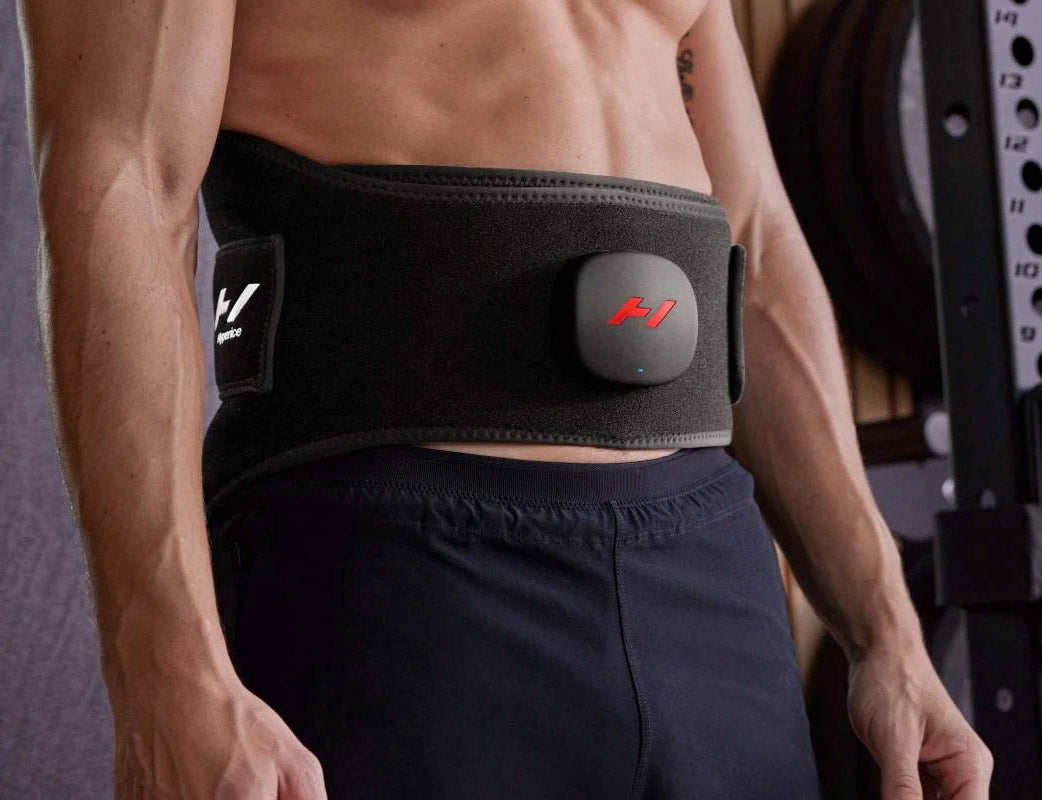
Heat wraps are useful when you need to stay mobile. If your back stiffens during work, commuting, or standing for long periods, a wearable wrap can provide lower-level heat without forcing you onto the couch. That is often more realistic for people who need symptom relief during the day, not just after it.
Warm baths can be effective when the low back is part of a bigger pattern of tension involving the hips, glutes, and hamstrings. The full-body effect helps more than a small pad when your whole posterior chain feels loaded.
Infrared and advanced heat devices may also play a role, especially in structured recovery settings, but the core principle stays the same. The best heat is the one you will use consistently, safely, and at the right point in the recovery process.
How long to use heat therapy for lower back pain
For most people, 15 to 20 minutes is enough per session. That is usually long enough to warm the tissues and reduce stiffness without overdoing it. If you are using lower-intensity wearable heat, the timing may be longer depending on the product design, but more is not always better.
The goal is a clear change in how the back feels and moves. If 20 minutes of heat makes walking easier, forward bending less restricted, or rehab exercises more tolerable, it is doing its job. If you need constant heat all day just to function, that is a sign to look deeper at what is driving the pain.
A simple approach works well: apply heat, then follow it with gentle movement. That might mean a short walk, pelvic tilts, hip mobility drills, or basic core activation. Heat tends to be more effective when it is paired with action instead of used as a passive standalone fix.
Heat before movement vs after activity
This is where a lot of people get better results.
Before movement, heat can prepare the low back for exercise, mobility work, or daily activity. If your pain is stiffness-dominant, warming the area first often improves range of motion and reduces that guarded feeling that makes every movement seem risky.
After activity, heat can help the muscles settle down if they feel tight or overworked. This is common after lifting, long runs, hockey, golf, or physically demanding work. If the back is simply loaded and tense, post-activity heat can support recovery.
But if your back flares after activity and feels inflamed, sharp, or newly aggravated, cold may be the better call first. This is where context matters more than habit.
What heat can and cannot do
Heat can reduce pain, improve comfort, and help restore movement. Those are meaningful outcomes, especially if they let you train, work, or sleep with less disruption. For many people with recurring lower back tightness, it is one of the most reliable low-risk tools available.
What it cannot do is correct poor lifting mechanics, rebuild weak supporting muscles, or solve mobility restrictions elsewhere in the chain. If the hips are stiff, the core is underperforming, or your setup at work keeps loading the same tissues every day, the relief from heat may be real but temporary.
That is not a reason to dismiss it. It is a reason to use it strategically. The strongest recovery plans combine symptom relief with actual capacity building.
A smarter recovery plan for recurring low back pain
If lower back pain keeps coming back, the best use of heat is as one part of a broader routine. Warm the area, then earn the relief by moving well. That might include glute activation, hip flexor mobility, hamstring work, trunk stability, and gradual return to normal training loads.
This matters for rehab patients, desk-bound professionals, and athletes alike. A runner with a stiff low back may really need better hip extension. A golfer may need more thoracic rotation. Someone who lifts may need better bracing and load management. Heat helps open the door, but it does not walk you through it.
For clinics, gyms, and recovery spaces, this is also why heat works best as part of a structured recovery environment rather than a one-size-fits-all comfort tool. People respond better when the method matches the type of pain in front of them.
Recovery Room’s approach to recovery equipment reflects that same reality - targeted tools work best when they are matched to the body region, the recovery goal, and the stage of healing.
Signs your lower back pain needs more than self-care
If the pain is severe, lasts longer than expected, wakes you regularly at night, or keeps returning despite smart self-management, it is worth getting assessed. The same goes for pain after a fall, collision, or heavy lift that causes sudden functional loss.
You do not need to wait until the pain becomes dramatic. Early assessment can shorten the recovery timeline and help you avoid the cycle of resting too long, feeling slightly better, then flaring up again as soon as activity returns.
Heat is most effective when it supports recovery, not when it delays proper care.
A warm back often moves better, and a back that moves better usually gives you a better chance to recover well. Use heat with purpose, pair it with smart movement, and let relief be the first step rather than the whole plan.