You feel it the day after a hard session, a long shift, or a weekend game - heavy legs, stiff joints, a back that does not quite loosen up, and the sense that your body is carrying more than it recovered from. That is usually the moment people start asking how to build a recovery routine, but the best routines are set up before soreness turns into lost training time.
A good recovery routine is not about doing everything. It is about doing the right things consistently enough to reduce pain, restore movement, and keep performance moving in the right direction. For some people that means recovering well enough to hit the next lift. For others, it means getting through work, rehab, or sport with less irritation and better mobility. The goal stays the same - support the body so stress leads to adaptation, not breakdown.
What a recovery routine should actually do
Recovery is often treated like a bonus. Train first, compete first, work first, then deal with the damage later. That approach usually catches up with people. A recovery routine should help manage inflammation, improve circulation, reduce muscle tension, maintain range of motion, and create enough downshift in the nervous system that your body can repair what training or physical strain disrupted.
That does not mean every tool works for every situation, or that more recovery always equals better recovery. If you use cold therapy after every strength session, for example, you may feel good in the short term but blunt some of the adaptation you were training for. If you only stretch and ignore sleep, hydration, or tissue quality, your routine may feel productive without changing much. Recovery works best when it matches the stress you are trying to recover from.
How to build a recovery routine around your real stressors
The fastest way to build a routine that sticks is to start with your actual pattern of strain. A runner training for mileage has different recovery needs than a hockey player in season, a rehab patient dealing with a knee flare-up, or someone whose job keeps them on their feet all day.
Ask three practical questions. What kind of stress are you accumulating? Where does it show up in your body? And how quickly do you need to bounce back? Those answers shape everything.
If your biggest issue is deep muscle fatigue after intense training, compression, mobility work, sleep, and protein intake may matter more than long static stretching. If you are managing swelling after a recent injury, cold therapy and elevation may be more useful in the short term than aggressive percussion. If stiffness builds from desk work or repetitive labour, shorter daily movement breaks and heat may outperform one long recovery session at the end of the week.
Start with the non-negotiables
Before you add devices or therapy sessions, build your base. Sleep is still the strongest recovery tool most people underuse. Without enough quality sleep, tissue repair, hormone regulation, pain tolerance, and energy all take a hit. Most active adults do better when sleep is treated as a performance input rather than an afterthought.
Hydration matters for circulation, muscle function, and general recovery quality, especially if your training includes sweat loss or you work in physically demanding conditions. Nutrition also needs to match demand. A recovery routine cannot compensate for under-eating, low protein intake, or inconsistent fuelling around training.
Then there is movement. Light, low-intensity movement often helps more than total rest when soreness and stiffness are the problem. Walking, easy cycling, gentle mobility, or controlled range-of-motion work can improve circulation and help your body move out of that heavy, locked-up feeling.
How to build a recovery routine with the right tools
Once the basics are in place, tools can make a big difference - if you use them with purpose.
Compression therapy is useful when your legs feel loaded, swollen, or slow after training, travel, or competition. Many athletes use intermittent compression to support circulation and reduce that lingering heavy-leg sensation. It is especially practical during high-volume training blocks or tournament schedules when the gap between efforts is short.
Cold therapy tends to fit acute irritation, swelling, and high-pain situations best. It can be a strong option after impact, a flare-up, or a demanding event where reducing soreness quickly is the priority. But it depends on the goal. If you are trying to maximize long-term strength adaptation from every training session, using cold immediately after each workout may not always be the best move.
Heat therapy is often better for stiffness, chronic tension, and improving tissue readiness before mobility or movement work. If your lower back, hips, or shoulders feel restricted, heat can help you move more comfortably before you stretch or strengthen.
Contrast therapy sits in the middle and works well for people who respond well to alternating heat and cold, especially after hard training blocks or intense competition. Some athletes find it helps them feel fresher faster. Others prefer a simpler approach. This is one of those areas where response can be individual.
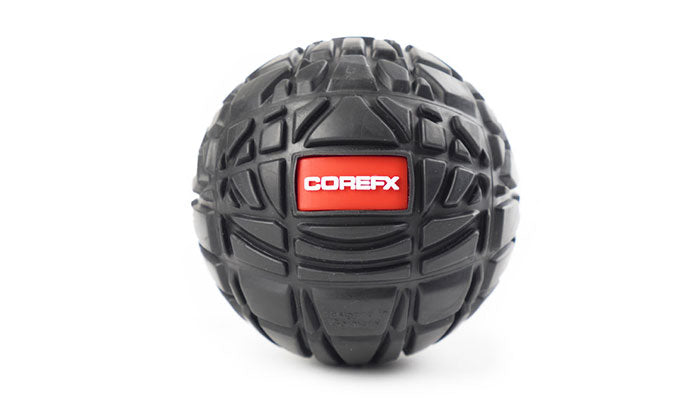
Percussion, vibration, and self-massage tools can reduce local tension and help you tolerate movement better, especially in calves, quads, glutes, upper back, and feet. They are useful, but more pressure is not always better. If tissue is irritated or healing from a recent injury, aggressive work can make things worse.
Red Light Therapy is often used to support tissue recovery and pain management, particularly as part of a broader routine. It is not a replacement for rehab or load management, but it can fit well when the goal is consistent support for recovery and discomfort reduction.
Structure your routine by timing, not motivation
Most people fail at recovery because the plan is too vague. They tell themselves they will stretch more, sleep more, or use their recovery tools when they have time. That usually means they do it inconsistently.
A stronger approach is to assign each recovery method to a specific moment. Post-workout might be a protein-rich meal, light movement, and compression for the legs. Evening might be heat for the back or hips, followed by a short mobility sequence. Rest days might include a walk, easy cycling, or a longer tissue session. During acute flare-ups, you might shift to more pain-control and swelling-management work for a few days.
This creates a routine that runs on schedule instead of mood. It also keeps your recovery work from becoming random. If you know what happens after hard sessions, on travel days, and during deload weeks, you are far more likely to stay ahead of breakdown.
Keep it simple enough to repeat
The best recovery routine is rarely the most complicated one. If your plan takes 90 minutes a day, requires perfect timing, and uses six different modalities, it will probably collapse within two weeks.
Aim for a small number of repeatable actions that match your needs. For example, someone training four days a week might use mobility work for 10 minutes daily, compression after lower-body sessions, heat before hip mobility, and one longer recovery block on the weekend. A person rehabbing a shoulder may focus on sleep, pain-guided movement, heat before exercises, and light tissue work around the area rather than on it.
This is where a specialist recovery retailer can help. Recovery Room, for example, organizes recovery solutions around body parts, injuries, and performance needs, which makes it easier to choose tools that fit the problem instead of buying gear you will not use.
Know when to adjust your plan
A recovery routine should evolve with your training, pain levels, and season. What works in the off-season may not be enough during a race build, playoff stretch, or physically demanding work cycle.
If soreness lasts longer than expected, sleep quality drops, motivation falls, or performance keeps sliding, your body may be telling you recovery is not matching output. That does not always mean you need more recovery tools. Sometimes you need less training volume, better fuelling, or a proper assessment of an injury that is not settling.
It is also worth saying this clearly - pain that is sharp, worsening, unstable, or linked to loss of strength or function should not be managed like normal soreness. A recovery routine supports recovery. It does not replace medical care or guided rehab when something more serious is going on.
How to tell if your recovery routine is working
You do not need perfect biomarkers to judge progress. In most cases, the signs are practical. You feel less stiff in the morning. Soreness clears faster. Your range of motion returns sooner. You can train again without dragging through the first 20 minutes. Small pain points stop snowballing into missed sessions.
That is the real test. A good routine helps you stay more consistent with the things that matter, whether that is sport, training, rehab, work, or just moving through the day with less pain.
Build your recovery routine the same way you would build a training plan - around your goals, your load, and what your body keeps telling you. When recovery becomes deliberate, not reactive, you give yourself a better chance to move well, feel better, and keep showing up strong.