Sore, heavy legs after a run, hard skate, long shift, or lower-body lift can linger longer than they should. If you're wondering how to use compression boots in a way that actually helps recovery, the goal is simple: apply the right amount of pressure for the right amount of time, at the right point in your recovery day.
Compression boots are designed to create sequential pressure through the legs, usually starting at the feet and moving upward through the calves and thighs. That pattern helps support circulation, reduce the feeling of leg heaviness, and improve post-training recovery for many users. They are popular with runners, hockey players, cyclists, field sport athletes, and anyone who spends a lot of time on their feet because they offer a practical way to recover without adding more physical stress.
How to use compression boots for best results
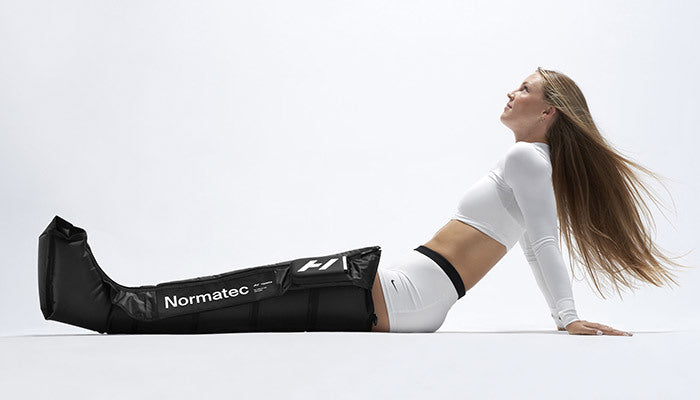
The first step is setup. Sit or lie down in a comfortable position where your legs can stay relaxed for the full session. Slide each leg into the boot sleeve carefully and make sure the fit is snug but not forced. The chambers should line up naturally around your feet, calves, and thighs so the pressure feels even as the cycle begins.
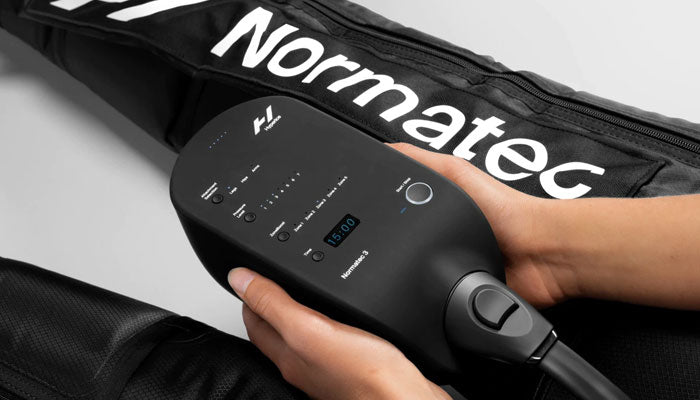
Once the boots are connected to the control unit, choose a pressure level and session length. If you're new to compression therapy, start conservative. Moderate pressure is usually enough to create a noticeable recovery effect without feeling aggressive. Most people do well with sessions in the 20 to 30 minute range, especially after training or at the end of the day.
There is a temptation to assume higher pressure means better recovery. In practice, that is not always true. If the setting is too intense, the session can feel distracting or uncomfortable, and that usually works against relaxation and recovery. A setting that feels firm, rhythmic, and tolerable is more useful than one you spend the whole session trying to endure.
When to use compression boots
Timing matters almost as much as pressure. Compression boots are commonly used after exercise, after games, after travel, or after long workdays that leave the legs fatigued. For many people, the sweet spot is within a few hours after activity, when the legs feel tired, tight, or swollen but before stiffness settles in too deeply.
They can also be useful on rest days. If your training load is high across the week, a short session on a recovery day may help your legs feel fresher and more mobile. That said, compression boots are a recovery tool, not a replacement for sleep, hydration, nutrition, mobility work, or proper programming. They work best as part of a bigger recovery plan.
If you train twice in one day, you may use them between sessions, but intensity matters. A lighter session between workouts often makes more sense than a long, high-pressure cycle. The goal is to support readiness, not leave your legs feeling overstimulated before you need to perform again.
Choosing the right pressure and duration
A lot of confusion around how to use compression boots comes down to settings. There is no perfect universal number because body size, sensitivity, training history, and recovery goals all change what feels appropriate.
If your legs are mildly tired and you want a general recovery session, keep the pressure moderate and the duration around 20 to 30 minutes. If you've had a very heavy training day or travel-related swelling, you may prefer a slightly longer session, closer to 30 or even 45 minutes, as long as the pressure remains comfortable. If you're highly sensitive to compression, shorter sessions are often the better place to start.
Higher pressure is not automatically better for smaller athletes, older adults, or anyone returning from injury. In those cases, comfort and consistency matter more than intensity. A manageable setting used regularly tends to beat an overly aggressive setting you avoid using.
What a session should feel like
Compression boots should feel firm and sequential, with pressure moving upward through the legs in waves. You may notice a gentle squeezing sensation in one chamber followed by release as the next chamber inflates. That rhythm is normal. Your feet should not go numb, your toes should not change colour, and the pressure should never feel sharp or painful.
A good session often leaves the legs feeling lighter, looser, and less fatigued. Some users notice improved mobility when they stand up, while others mainly feel reduced heaviness. Results can depend on what caused the fatigue in the first place. Muscle soreness from a hard squat session may not feel the same as post-travel swelling or the dull fatigue that comes from standing all day.
Common mistakes to avoid
The most common mistake is using compression boots at a pressure that is too high right away. People often assume that if moderate feels good, maximum must be better. Usually, it just makes the session harder to tolerate.
Another mistake is using them as a fix for everything. Compression boots can support circulation and recovery, but they do not treat every source of pain. If your legs feel heavy after a road trip, they may help a lot. If you have a sharp calf pain, a suspected strain, or symptoms that suggest something more serious, boots are not the first step.
Fit is another issue. If the sleeves are twisted, bunched, or poorly aligned, pressure may feel uneven. Taking an extra minute to set the boots up properly makes a noticeable difference.
Finally, do not use them passively as a way to ignore the basics. Poor sleep, low protein intake, and repeated hard training with no deload will catch up with you no matter how good your recovery gear is.
When not to use compression boots
Compression therapy is not appropriate for every person or every situation. If you have a known circulatory disorder, deep vein thrombosis, severe peripheral vascular disease, uncontrolled high blood pressure, an active infection, or a medical condition that affects safe blood flow in the legs, get medical clearance before using compression boots.
The same goes for post-surgical recovery, recent fractures, or unexplained swelling. If you're dealing with numbness, unusual pain, skin changes, or a condition that changes sensation in the legs, professional guidance matters. Recovery tools are useful, but they should match the situation.
Pregnant users and people managing chronic health conditions should also check with a healthcare provider before starting compression therapy. It is a simple step that can prevent the wrong tool from being used at the wrong time.
How compression boots fit into a recovery routine
The best recovery systems are rarely built around one product. Compression boots work well alongside hydration, easy walking, mobility work, massage tools, and sleep. After a hard hockey game or long run, for example, a good sequence might be fluids, a light cooldown, food, then a 20 to 30 minute compression session later in the day.
If your goal is pain relief rather than athletic recovery, they can still play a role. People with physically demanding jobs often use them after work to reduce leg fatigue and help them feel more mobile the next morning. That does not mean every night needs a long session. Some users do better with shorter, more regular use instead of occasional marathon sessions.
For teams, clinics, and recovery spaces, consistency and education matter. Staff should know basic setup, pressure selection, contraindications, and cleaning protocols. The technology is straightforward, but proper use is what turns it into a reliable recovery station instead of just another piece of equipment.
How often to use compression boots
For most active people, two to five sessions per week is a reasonable range, depending on training load and leg fatigue. During heavier blocks of training, travel, tournaments, or physically demanding work periods, daily use may make sense. During lighter weeks, you may only want them after lower-body sessions or long endurance efforts.
The right frequency comes down to response. If your legs consistently feel fresher and your sessions are comfortable, that is a good sign. If you find yourself turning the pressure up constantly or using the boots to chase relief from ongoing pain that is not improving, it may be time to look at the bigger recovery picture.
At Recovery Room, the most effective recovery tools are the ones people understand well enough to use consistently. Compression boots can absolutely earn a place in that routine - especially when leg fatigue, swelling, and post-training soreness are limiting how well you move or train.
Use them with a clear purpose, keep the settings sensible, and pay attention to how your legs respond. Recovery works better when it is targeted, repeatable, and realistic enough to stick with.