After a hard run, a double-header, or a long shift on your feet, your legs do not need hype. They need help that actually changes how they feel by the next session. That is where leg compression therapy benefits stand out - not as a trend, but as a practical recovery tool for people who want less heaviness, better circulation, and a faster return to movement.
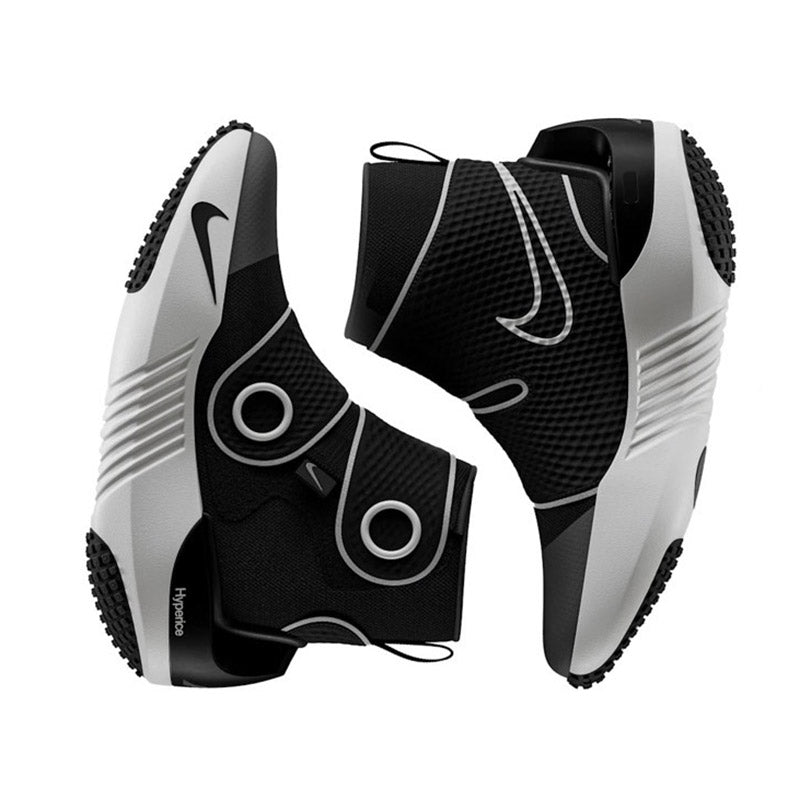
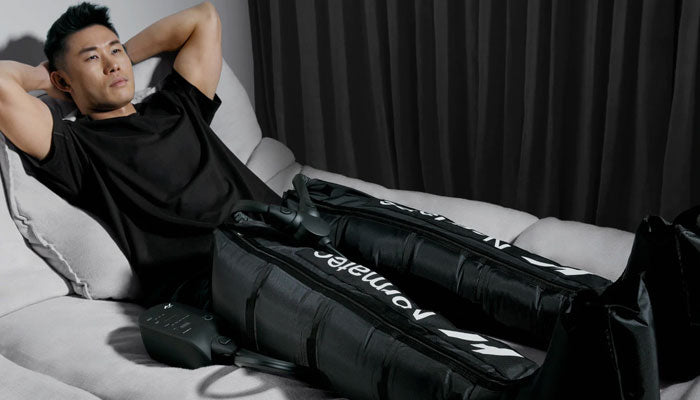
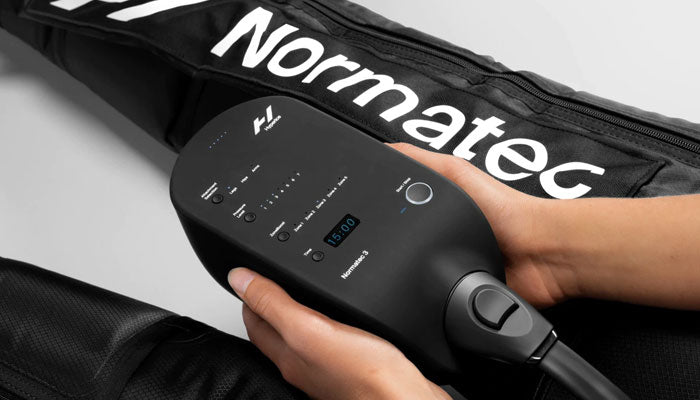
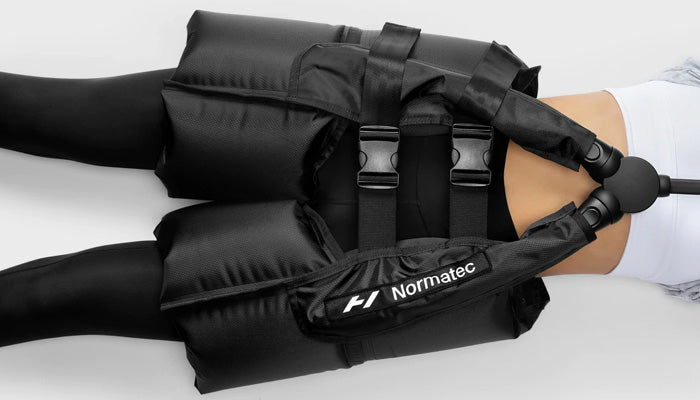
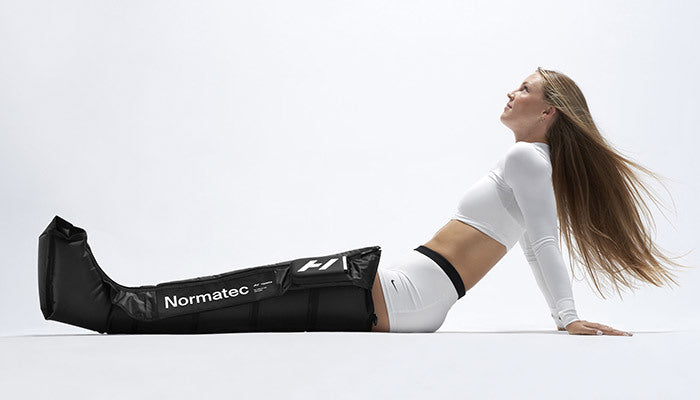
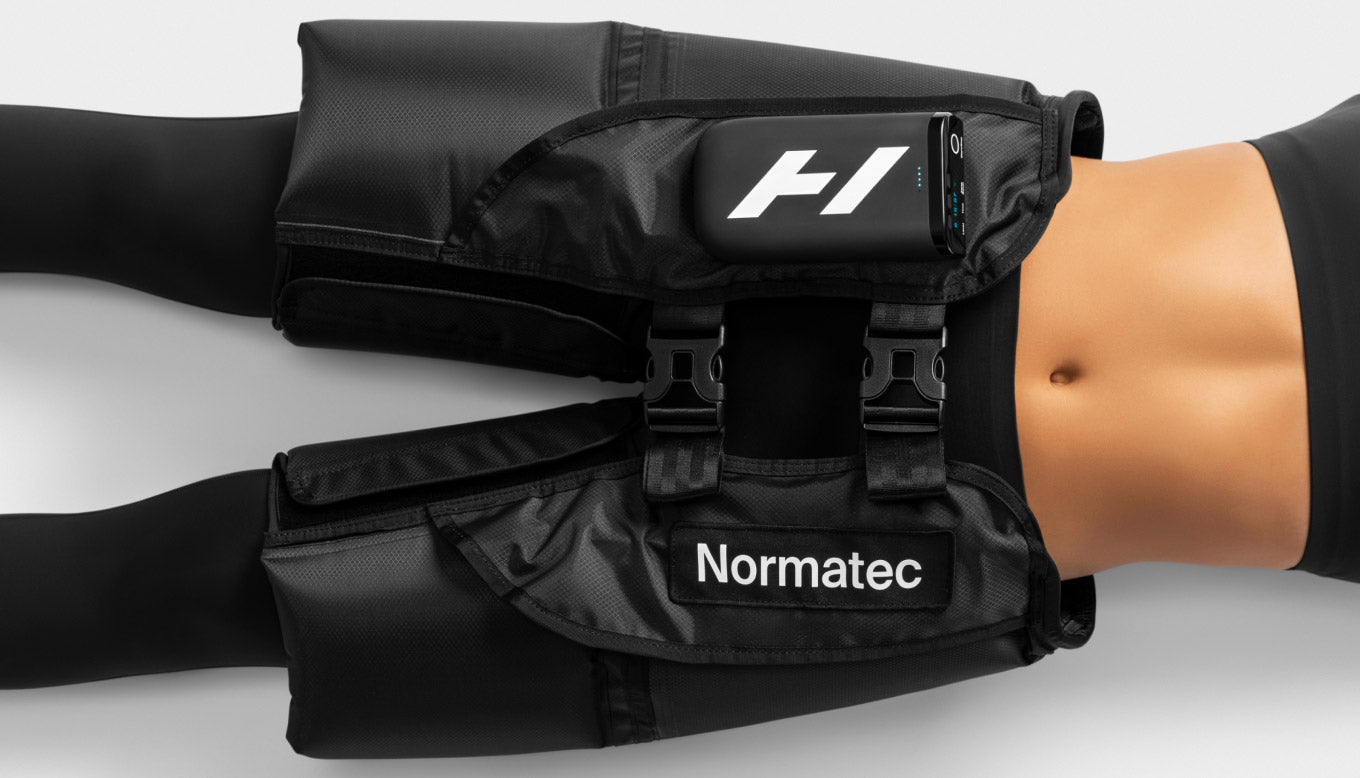
Compression therapy for the legs is built around a simple idea: apply controlled pressure to support blood flow and fluid movement. In modern recovery systems, that usually means pneumatic compression boots that inflate and deflate in sequences up the foot, calf, and thigh. The goal is not to replace sleep, nutrition, or rehab. It is to support them by helping tired legs feel fresher, less congested, and more ready for what comes next.
What leg compression therapy benefits actually mean
When people hear about compression, they often think only about post-workout soreness. That is part of the picture, but it is not the whole story. Leg compression therapy benefits can include improved circulation, reduced feelings of muscle fatigue, less swelling, and a noticeable drop in that heavy-leg sensation that builds up after training, travel, or standing for hours.
For athletes, that can mean better recovery between sessions. For rehab patients, it can support comfort and movement while they work through a recovery plan. For active adults managing joint stiffness or lower-body fatigue, it can simply make the day feel more manageable.
The biggest advantage is often consistency. Recovery methods work best when people will actually use them, and compression therapy tends to be easy to fit into a routine. Twenty to thirty minutes at home, after training, or at the end of the workday can make it easier to stay on top of recovery instead of chasing soreness once it has already built up.
How compression helps circulation and fluid movement
The legs deal with gravity all day. Blood and other fluids have a harder job moving back up from the feet and lower legs, especially after long periods of sitting, standing, or repetitive training. Compression therapy creates external pressure that helps move fluid upward in a more efficient way.
With dynamic compression systems, the pressure is not static. Chambers inflate in sequence, which creates a massage-like effect that encourages circulation and helps reduce pooling in the lower limbs. Many users describe the result as legs that feel lighter, looser, and less swollen after a session.
That matters for recovery because circulation supports tissue health. Better blood flow helps deliver oxygen and nutrients where they are needed while also helping clear metabolic byproducts that can contribute to soreness and fatigue. It is not magic, and it will not erase poor recovery habits, but it can support the body’s normal recovery processes in a very direct way.
Leg compression therapy benefits for athletes and active adults
If you train frequently, the biggest challenge is often not one hard workout. It is stacking sessions without letting fatigue drag your performance down. Leg compression therapy can help between runs, rides, skates, lifts, and field sessions by reducing that lingering lower-body fatigue that makes the next session feel harder than it should.
Runners often use compression after long mileage or speed work because calves and quads can stay tight and heavy for hours. Cyclists may benefit after long time in a fixed position. Hockey and soccer players often deal with repeated lower-body loading, contact, and rapid changes of direction, which can leave the legs feeling beat up even when there is no major injury involved.
That does not mean everyone gets the same result. If your soreness comes mostly from significant tissue damage after an unfamiliar workout, compression may help comfort and circulation, but it will not shortcut the body’s repair timeline. If your issue is more about fluid buildup, fatigue, or stiffness from repeated training, the payoff is often more noticeable.
Relief for soreness, swelling, and heavy legs
One of the most immediate reasons people turn to compression therapy is simple: their legs feel cooked. That post-training ache, end-of-day swelling, or dull heaviness after travel can make movement less appealing right when gentle movement would actually help.
Compression can make that first step back into activity easier. By reducing the sensation of congestion in the legs, it may help you walk, stretch, or start a light recovery session with less resistance. That is useful after intense sport, but also after long flights, tournaments, physically demanding jobs, and extended periods at a desk.
For some people, the main benefit is not pain reduction in a dramatic sense. It is that their legs feel less stale. That matters because recovery is not only about symptom relief. It is also about maintaining enough comfort and mobility to keep moving consistently.
Can compression therapy improve mobility?
Indirectly, yes. Compression therapy does not lengthen tissues the way mobility work or stretching aims to. What it can do is reduce some of the fatigue, stiffness, and swelling that limit how freely your legs want to move.
When calves are less tight and quads feel less loaded, squatting, walking stairs, or getting into a warm-up can feel smoother. That is why compression is often best viewed as a support tool rather than a standalone fix. Pair it with mobility work, strength training, rehab exercises, and smart programming, and it can help create better conditions for movement.
This is especially relevant for people coming back from periods of reduced activity. If your legs feel heavy and irritated every time you try to rebuild capacity, recovery tools that make movement feel more manageable can help you stay consistent.
When leg compression therapy works best
Timing matters. Many people use compression therapy after training, after competition, or at the end of the day when lower-body fatigue peaks. It can also be useful on recovery days, during tournament weekends, or after travel when circulation and fluid movement are common concerns.
There is also a practical case for using it before activity, but with a different goal. Pre-session compression is usually less about recovery and more about getting the legs feeling awake and ready. Some users find it helps reduce stiffness before warm-up. Others prefer it only after effort. It depends on your schedule, sport, and how your legs typically respond.
For teams, clinics, and performance spaces, that flexibility is part of the value. Compression systems can serve multiple use cases across a single day, from post-session recovery to general lower-limb comfort for people who spend long hours on their feet.
When caution matters
Compression therapy is useful, but it is not for every situation. If someone has a suspected blood clot, severe vascular disease, an acute untreated injury, certain heart or circulatory conditions, or a medical history that affects lower-limb circulation, clearance from a qualified healthcare professional matters.
It is also worth being realistic about what compression can and cannot do. If you have ongoing leg pain, recurrent swelling, or numbness, that calls for assessment, not guesswork. Compression may support recovery, but it should not cover up a problem that needs diagnosis.
Fit and pressure matter too. More pressure is not automatically better. A poorly fitted or overly aggressive setup can feel unpleasant rather than helpful. Quality systems are designed to deliver controlled, targeted pressure rather than random squeeze.
Choosing compression as part of a smarter recovery plan
The best recovery tools earn their place by being useful in real life. Leg compression therapy fits that standard because it is simple to use, easy to repeat, and relevant across sport, rehab, and everyday physical strain. It can support circulation, reduce feelings of heaviness, improve post-activity comfort, and help active people maintain better recovery habits between demands.
For some, the difference is subtle but valuable - less swelling after work, less stiffness after travel, better comfort before the next training session. For others, especially those with high training volume or repeated lower-body fatigue, it becomes a regular part of staying functional and performing well.
The key is to treat compression as one piece of the system. Use it alongside sleep, hydration, movement, rehab, and sensible training load. Recovery Room focuses on tools that solve real recovery problems, and compression belongs in that conversation because fresher legs are not just about comfort. They are often the difference between skipping a session and showing up ready to move.