Order Summary
No items in your bag. Let's Start Shopping!





Free Shipping - Hyperice
Free Shipping on Hyperice Products
A hard training block, a stiff lower back after work, a swollen knee that never quite settles - most people do not need more motivation. They need recovery equipment that matches the problem in front of them.
That is where a lot of buying decisions go wrong. People shop by trend, not by outcome. A tool that works well for post-leg-day soreness may do very little for a fresh ankle sprain. A device that feels great in the moment may not be the best fit for restoring range of motion, managing inflammation, or helping someone get ready for the next session.
Recovery equipment is not one thing. It is a broad category of tools designed to reduce pain, improve circulation, manage muscle soreness, support tissue healing, and restore movement. Some products are passive, like cold therapy systems or compression boots. Others are active, like mobility tools and resistance bands used to rebuild strength and control.
The best way to think about recovery equipment is by function, not hype. Ask what you are trying to change. Are you trying to calm pain after an acute flare-up? Reduce heavy-leg fatigue after running or hockey? Improve joint motion after too much sitting? Support rehab after an injury? Different goals call for different tools.
That distinction matters because recovery is rarely about one miracle device. Most people get better results from combining methods. Compression may help with soreness and circulation. Heat may loosen stiff tissue. Targeted mobility work may keep the same issue from coming back next week.

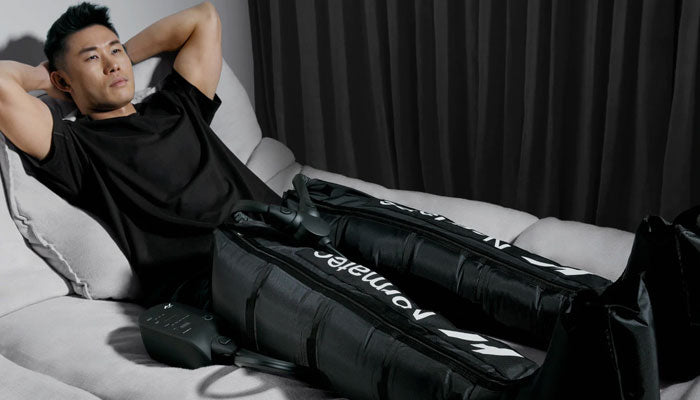
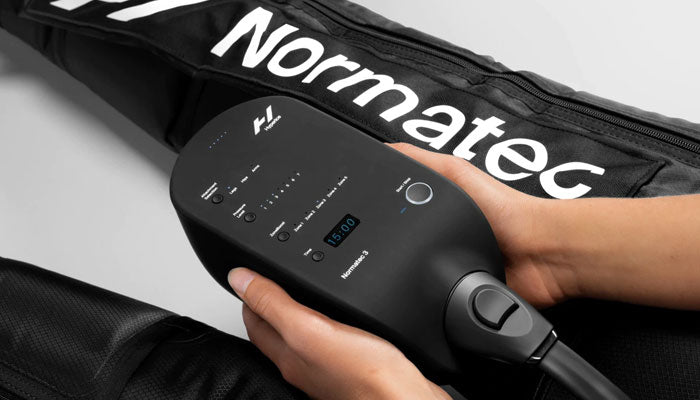
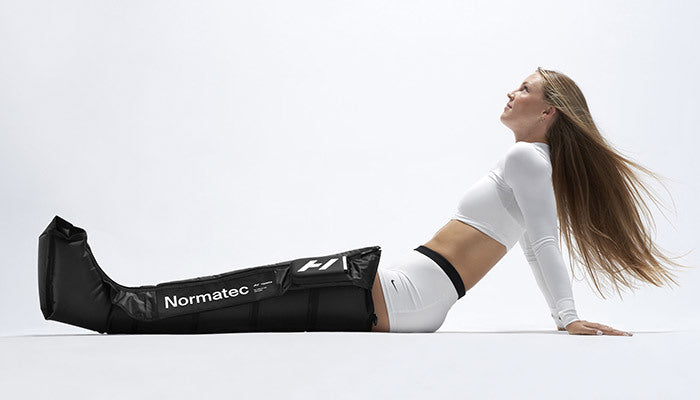
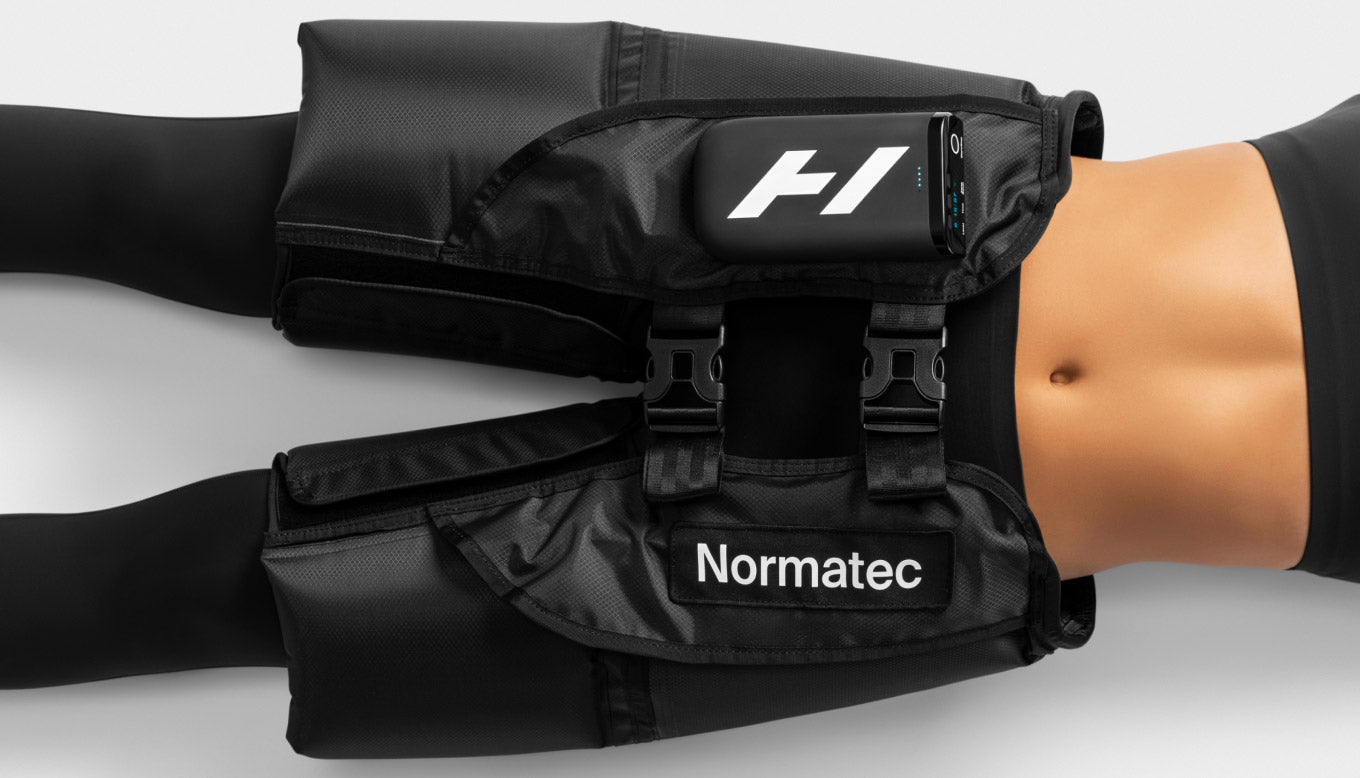
Compression systems are popular for a reason. They can help reduce that swollen, fatigued feeling after intense training, travel, or long hours on your feet. Athletes often use pneumatic compression boots after running, cycling, soccer, or strength sessions when the legs feel flat and loaded.
The trade-off is that compression is usually better for recovery support than for solving the root cause of pain. If your calves feel tight because your ankle mobility is poor or your training load jumped too fast, compression may help you feel better without fixing the driver. That does not make it useless. It just means it works best as part of a broader recovery plan.

Cold therapy remains one of the most practical options for acute pain, swelling, and post-procedure support. Ice packs, cold wraps, and more advanced cold therapy systems can be especially useful for knees, shoulders, ankles, and post-op recovery.
Timing matters here. Cold can be helpful when the area is hot, irritated, or swollen, but it is not always the right answer for chronic stiffness. If a joint has been achy for months and feels better once it warms up, heat or movement may be more useful than more ice.

Heat works well when the issue is tightness, guarded movement, or general muscular stiffness. Heated wraps, pads, and vibration devices can help prepare the body for mobility work or make it easier to move with less discomfort.
This category tends to work well for desk-related stiffness, low back tightness, sore hips, and pre-training prep. The limitation is simple - heat can feel excellent, but if you stop there, the relief may be short-lived. It usually works best when followed by movement, stretching, or light strengthening.

Massage guns, foam rollers, massage balls, and handheld release tools all sit in this category. They are useful because they let you target a very specific area quickly. For many people, that means calves after a run, glutes after lifting, or upper back tension from work and training overlap.
These tools are effective when used with some intention. More pressure is not always better. A massage gun used aggressively on an irritated tendon or a bruised muscle can make things worse. Good recovery equipment should help you downshift tension, not fight your body.

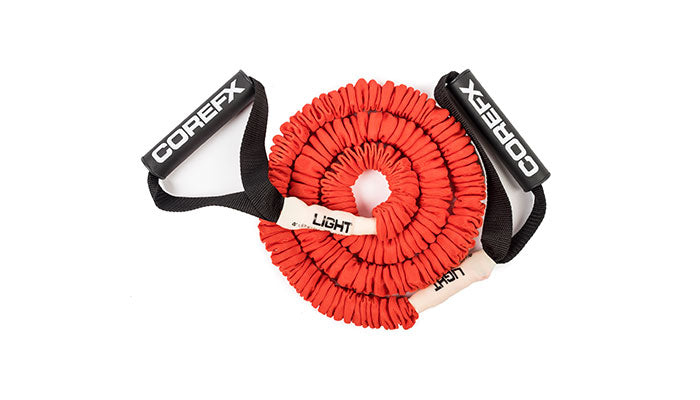
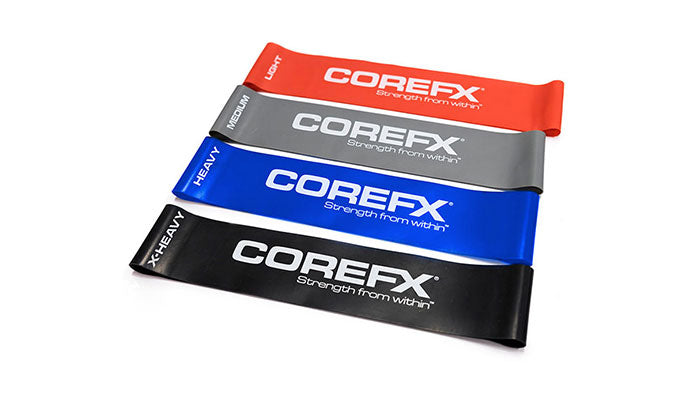
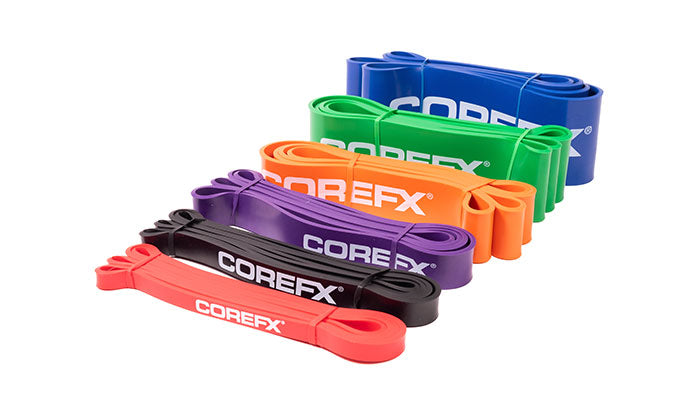
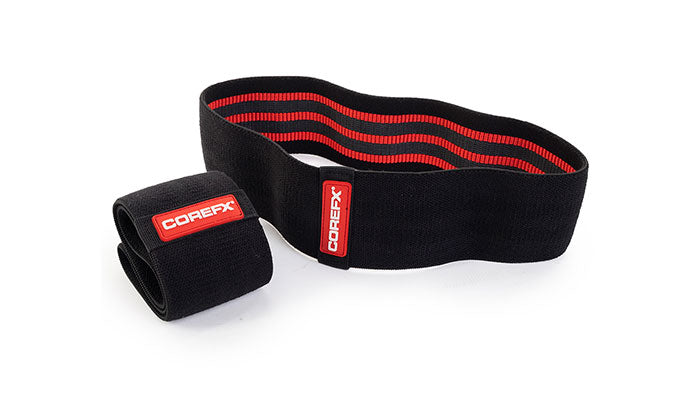
This is where recovery becomes more than symptom management. Resistance bands, mobility sticks, stretch straps, wedges, and other rehab-focused tools help rebuild range, control, and resilience. They are not always the most exciting products to buy, but they often make the biggest difference over time.
If someone keeps dealing with shoulder tightness, patellar irritation, or recurring ankle issues, mobility and strengthening tools are often what turn temporary relief into better function. They require more effort than passive recovery, but the payoff is usually longer lasting.
Red light therapy and other higher-tech recovery options appeal to people who want a more complete setup. Depending on the application, these tools may support tissue recovery, pain relief, and recovery routines at home or in a clinical or team setting.
This category makes the most sense when the user is consistent and has a clear use case. Advanced equipment can be worthwhile, but it should still fit a real recovery need. The right question is not whether a tool is impressive. It is whether it will actually be used often enough to matter.
Start with the body part and the type of problem. A sore knee, a stiff thoracic spine, and post-workout leg fatigue are three different situations. Shopping by category alone can be confusing. Shopping by pain point is usually more effective.
Then consider whether the issue is acute, chronic, or performance-related. Acute issues often benefit from pain and swelling management first. Chronic problems usually need a mix of relief and movement restoration. Performance recovery sits somewhere else again, with more focus on reducing soreness, improving readiness, and managing training load.
Your lifestyle matters too. Some people will use a compression system four times a week. Others are better suited to a simpler setup they will actually stick with, like a foam roller, resistance bands, and a targeted cold wrap. The best recovery equipment is the equipment that fits your routine, your space, and your level of commitment.
Budget should be part of the conversation, but not the only one. A lower-cost tool used consistently can outperform an expensive device that sits in a closet. At the same time, higher-end systems can make sense for serious athletes, busy households, clinics, or team environments where recovery happens often and speed matters.
Athletes usually want two things from recovery equipment - less downtime and better readiness for the next session. That often means compression, self-massage, mobility tools, and targeted heat or cold depending on the sport and training cycle.
Rehab-focused users tend to need more precision. They may be dealing with a shoulder surgery recovery, a stubborn case of plantar fasciitis, or a knee that needs support while strength returns. In those cases, the right setup often combines symptom relief with progressive rehab tools instead of relying on passive treatment alone.
Then there is the large middle group: active adults with real aches, busy schedules, and no interest in guessing. For them, recovery equipment should make pain more manageable, movement easier, and daily life less restricted. That is just as valid as shaving a few hours off post-race soreness.
There is a point where buying another tool becomes a way of avoiding a larger issue. If pain is worsening, if swelling is persistent, if numbness or instability is involved, or if the same injury keeps returning, equipment should not replace proper assessment.
Recovery tools are support systems, not substitutes for diagnosis, load management, or rehab planning. Used well, they can make recovery faster, more comfortable, and more consistent. Used blindly, they can become expensive workarounds.
That is why a curated, outcome-driven approach matters. Recovery Room has built its selection around real use cases - sport, injury, body region, and recovery goal - which is far more useful than treating every device like a generic wellness gadget.
A smart setup does not need to be huge. For many people, one tool for symptom relief, one for tissue work, and one for mobility is enough to cover most situations. That could mean cold therapy for flare-ups, a massage tool for muscle tightness, and bands or mobility tools for ongoing movement work.
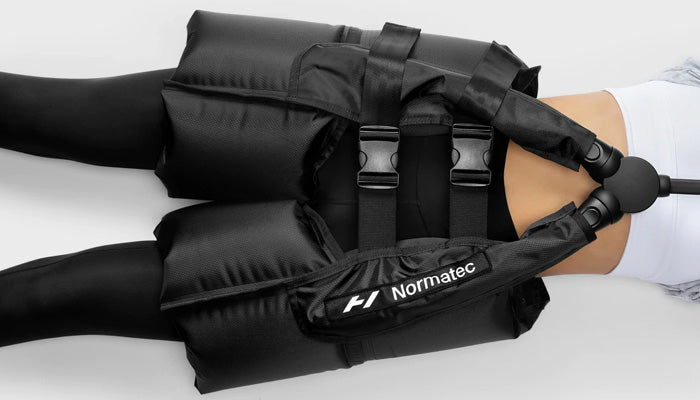
If your training volume is high, or if you are managing recovery for multiple people in a household, clinic, or facility, the setup may need to be more advanced. Compression systems, treatment tables, red light therapy, and contrast tools can all play a role when recovery is part of a structured routine rather than an occasional fix.
The key is to buy with a clear purpose. Better recovery usually comes from matching the right tool to the right problem, then using it consistently enough to change something that matters.
The best recovery equipment should help you move better tomorrow, not just feel better for ten minutes today.