That sharp catch when you reach overhead, pull on a shirt, or lower a barbell is usually the moment people start asking what helps shoulder pain recovery. The short answer is not one magic fix. The shoulder is a high-mobility joint that depends on good timing between muscles, tendons, the shoulder blade, and the upper back. Recovery works best when you calm irritation, keep the joint moving within tolerance, and build strength back in the right places.
What helps shoulder pain recovery most often
Most shoulder pain improves when load is managed well instead of ignored or completely avoided. That means reducing the movements that keep flaring it up, while still doing enough pain-free activity to maintain circulation, joint motion, and muscle function. For active adults, this is the difference between a shoulder that settles down and one that stays irritated for weeks.
Pain relief and tissue healing are related, but they are not the same thing. Ice or heat might make the shoulder feel better today. Better movement control and progressive strengthening are what usually make it hold up tomorrow. If you only chase short-term relief, recovery often stalls.
The most useful approach usually combines four things - relative rest, symptom control, mobility work, and strength progression. Which one deserves the biggest emphasis depends on why the shoulder hurts in the first place.
Start with the cause, not just the pain
Shoulder pain is a broad category. A lifter with rotator cuff irritation, an office worker with stiff upper-back mechanics, and a hockey player dealing with AC joint aggravation can all point to the same area and describe totally different problems.
That matters because what helps shoulder pain recovery changes with the pattern. If pain is worst with pressing, reaching overhead, or throwing, the rotator cuff and shoulder blade often need attention. If the shoulder feels stiff and restricted, mobility and thoracic extension may be limiting clean movement. If the pain showed up after a fall, collision, or sudden pop, you need a proper assessment before trying to push through it.
Pain location can also mislead. Discomfort on the outside of the shoulder often points to irritated cuff structures, but pain near the front may involve the biceps tendon, and pain around the top can reflect AC joint stress. The fix should match the problem, not just the symptom map.
Calm the shoulder without shutting it down
In the early stage, the goal is to reduce irritation enough that normal movement can return. That usually means avoiding the specific lifts, positions, or repetitive tasks that spike pain, especially loaded overhead work, deep dips, wide-grip pressing, or long periods of poor posture at a desk.
Complete rest is rarely the answer unless a clinician has told you to immobilize it. Too much rest can leave the shoulder stiffer, weaker, and more reactive when you start using it again. A better rule is to keep moving within a tolerable range. Mild discomfort during rehab work can be acceptable, but sharp pain, night pain that keeps worsening, or symptoms that linger hard after activity are signs the load is still too high.
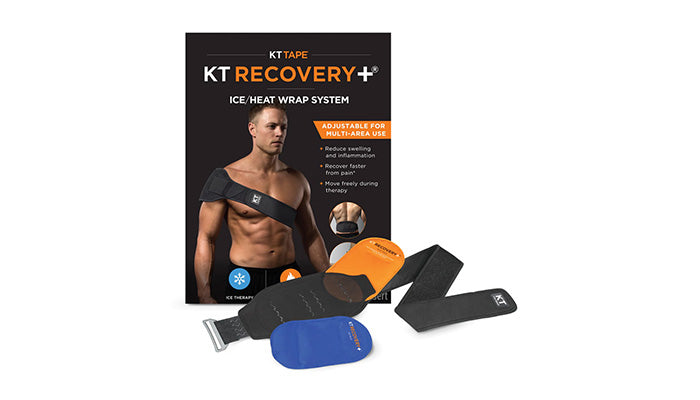
Cold therapy can help during more irritable phases, especially after aggravating activity or in the first couple of days after a flare-up. Heat tends to be more useful when stiffness is the bigger issue, particularly before mobility drills or light exercise. Neither is a cure, but both can make it easier to do the work that actually restores function.
Mobility matters, but only if it is the right mobility
A lot of shoulders do not need aggressive stretching. They need better movement quality through the shoulder blade, chest, and upper back. If the scapula does not upwardly rotate well or the thoracic spine stays locked in flexion, the shoulder joint often takes the strain.
Gentle range-of-motion work can help early on. Pendulum movements, wall slides, supported arm raises, and controlled external rotation are common starting points when tolerated. The point is to restore smoother movement, not force end range.
Stretching can help if tight pecs, lats, or the posterior shoulder are limiting motion, but it should be targeted. Pulling hard on an already inflamed shoulder often backfires. If you finish a mobility session feeling looser for 10 minutes and worse for the rest of the day, it was probably too much.
What helps shoulder pain recovery when stiffness is the main problem
When the shoulder feels blocked more than weak, warm tissue usually responds better. Heat before movement, followed by controlled mobility work, can improve tolerance. Self-massage around the pecs, upper back, lats, and posterior shoulder may also reduce guarding and let the joint move more freely.
That said, stiffness after surgery, frozen shoulder, or long-term immobilization is its own category. Those cases often need a more specific rehab plan and more patience than a general soreness flare-up.
Strength is what keeps the pain from returning
Once the shoulder is less reactive, strength work becomes the driver. This is where many recoveries either move forward or start looping. People often stop as soon as the pain drops, then return to training or work with the same weakness and poor mechanics that started the issue.
The rotator cuff matters, but so do the muscles that control the shoulder blade. Lower trap, mid trap, serratus anterior, rear deltoid, and even trunk stability all influence how well the shoulder handles force. A stronger cuff in a poorly controlled shoulder girdle is not the same as a resilient shoulder.
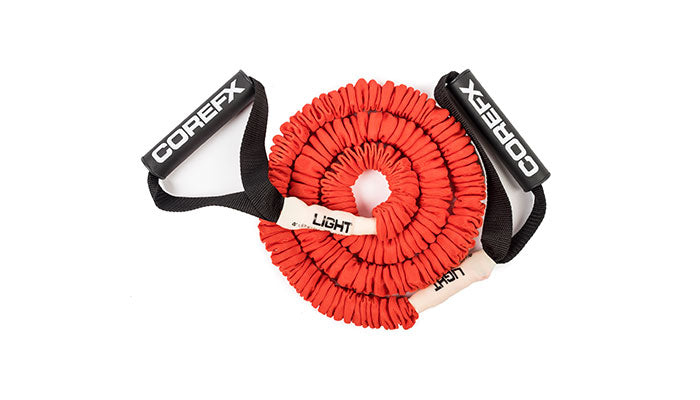
Early strengthening is often low-load and controlled. Isometrics, band external rotation, scapular retraction work, rows, and supported pressing patterns can be useful. Later, recovery should progress toward the movements you actually need - overhead work, pulling, carries, pushing, contact tolerance, or sport-specific power.
Load progression should be boring at first. That is usually a good sign. The shoulder tends to respond better to consistency than hero days.
Recovery tools can help, but they should support a plan
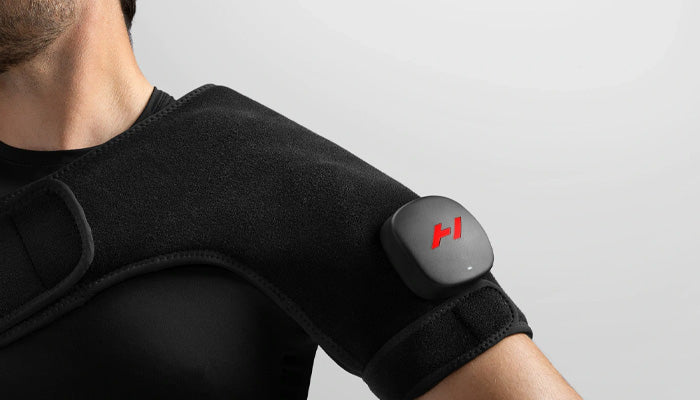
Recovery products can make a real difference when they are matched to the stage and type of shoulder pain. Cold therapy can settle post-training soreness or acute flare-ups. Heat and vibration often help before mobility work or on stiff, guarded shoulders. Compression and contrast therapy may support general recovery, especially for athletes balancing shoulder rehab with full-body training demands.
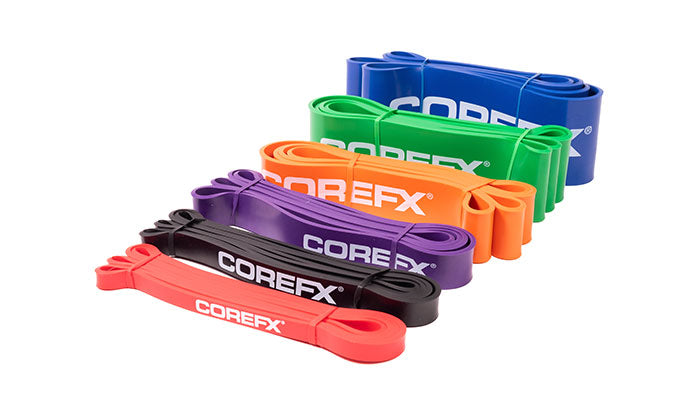
Red light therapy is also used by some people as part of a broader recovery routine for pain modulation and tissue support. Self-massage tools can help reduce tone in surrounding areas that are contributing to poor mechanics, especially the pecs, upper back, lats, and posterior shoulder. Resistance bands and mobility tools are often the most practical bridge between pain relief and actual rehab progress.
The key trade-off is this: passive tools can improve comfort, but they do not replace progressive exercise. If a device helps you move better, train with less pain, or stay consistent with rehab, it is doing its job. If it becomes the whole strategy, results are usually limited.
When shoulder pain needs a closer look
Some shoulder pain should not be self-managed for long. Get assessed if pain follows a traumatic injury, if you cannot lift the arm properly, if the shoulder feels unstable, or if there is significant swelling, bruising, numbness, or weakness. Night pain that is severe and persistent also deserves attention, especially if it is not linked to recent training.
If the pain has been hanging around for more than a few weeks despite smart load changes and rehab, it is worth getting a clearer diagnosis. The sooner you know whether you are dealing with cuff irritation, tendinopathy, bursitis, AC joint stress, referred neck pain, or something more serious, the more precise your recovery plan can be.
How to return to training without restarting the problem
The test is not whether the shoulder feels good at rest. The test is whether it tolerates your real life again. That means your return to lifting, sport, work, or daily tasks should happen in stages.
Start by increasing tolerance to simple patterns and moderate volume. Then build range, speed, and load. Overhead athletes, swimmers, racquet sport players, and lifters usually need more than pain-free band work before they are actually ready. They need strength at end range, control under fatigue, and confidence in the positions that used to hurt.
This is where people do best with a clear progression and the right tools around them. At Recovery Room, that often means combining symptom-relief products with strength and mobility equipment so the shoulder is not just calmer, but more capable.
A shoulder that recovers well is rarely the one you babied forever. It is the one you unloaded just enough, trained back with intent, and gave time to adapt. If you keep asking what helps shoulder pain recovery, the most honest answer is this: the right amount of relief, the right amount of movement, and a plan strong enough to get you back to using your shoulder without hesitation.