




In this guide
The recovery market has exploded. Walk into any sports store and you'll find everything from $12 foam rollers to $1,800 compression systems sitting on the same shelf with no real guidance on what actually works, what's worth upgrading to, and what's just marketing.
We've been fitting athletes — from weekend warriors to professional teams — with recovery tools for years. This guide is what we'd tell a friend who asked where to start: honest, practical, and organized around one principle.
"The best recovery tool is the one you'll actually use consistently. A $25 physio tape roll used correctly beats a $500 device collecting dust every time."
With that in mind, here's how to build your kit — one tier at a time.
How to Think About Recovery Spending
Before we get into specific products, two principles that should guide every purchase:
Build the foundation first. Compression, hydration, and sleep are free or near-free. No piece of equipment replaces these. If you're sleeping 6 hours and skipping post-workout nutrition, a $400 massage gun won't fix that. Buy the basics, do them consistently, then layer in technology.
Match the tool to the training demand. A recreational runner doing 20km a week needs a different kit than a competitive cyclist training twice daily. We'll call this out at each tier so you can right-size your investment. Overspending on recovery tools you don't need is just as common as underspending.
Worth knowing
Recovery tools work through consistent use over time — not dramatic single sessions. One Normatec session won't transform your recovery. Ten sessions a week for a month will. This matters for budgeting: buy the tool you'll use regularly, not the most impressive one in the store.
Tier 1 — Under $120: The Essentials
The foundation of any recovery kit. These tools are unglamorous, scientifically sound, and dramatically underused. If you're not doing these consistently, no amount of technology will compensate.
These are the products that sports medicine professionals reach for first — not because they're the most sophisticated, but because they address the most fundamental recovery needs effectively and affordably.

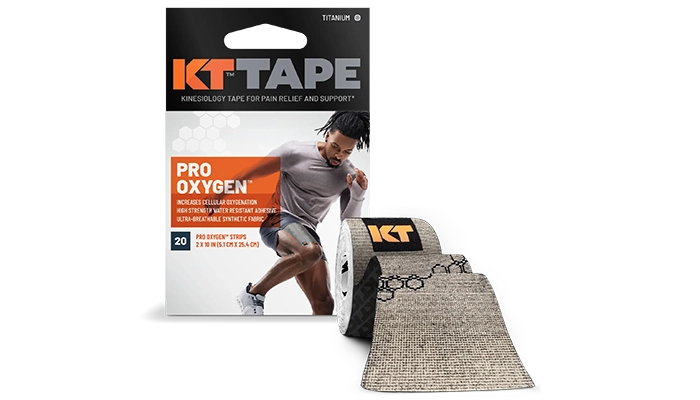
Physio tape (kinesiology tape)
The most clinically supported entry-level recovery tool available. Properly applied, it reduces pain signals, supports soft tissue, and improves proprioception during rehab. Used by every physiotherapy clinic in the country for good reason. Rolls last weeks.
Shop physio tape →
Foam roller (standard density)
The workhorse of self-myofascial release. A standard 45cm round roller covers all major muscle groups effectively. Consistent use 3–4x per week is more valuable than any expensive upgrade used sporadically. Start here before considering vibrating alternatives.
Shop foam rollers →
KT Health Ice Sleeve — cold therapy + compression
Cold therapy and compression in one reusable sleeve — the most practical joint recovery tool at this price point. The flexible microfiber design molds around knees, elbows, and other joints, delivering 360° contact for up to 20 minutes of targeted cold therapy. Store it in the freezer and it's ready to go the moment you finish training. Ideal for anyone managing knee soreness, tennis elbow, ankle swelling, or general joint inflammation.
Shop KT Health Ice Sleeve →
Lacrosse ball / trigger point ball
The single most effective tool for targeted trigger point work. Gets into spots a foam roller can't — hip flexors, glutes, upper back, feet. At this price point, there's no reason not to own one. Toss it in your gym bag and use it daily.
Shop massage balls →Who should stop here: If you're in early rehab, doing light recreational activity, or brand new to structured recovery — master this tier first. Build the habit before building the kit.
Tier 2 — $149–$349: The Performance Upgrade
You've built the foundation. You're training consistently and recovering consistently. Now it's time to add tools that meaningfully accelerate your results. This tier is where most active athletes should land.
These tools start to separate active recovery from passive rest. Each product in this tier delivers a measurably different physiological response than Tier 1 alone — faster lymphatic drainage, deeper soft tissue access, targeted vibration, and precision percussion.

Hypervolt Go 2 — entry percussion massager
The most accessible entry into percussive therapy. Lighter and quieter than professional-grade models, but delivers genuine therapeutic benefit. Three speed settings, four attachments, and enough battery for a full week of daily sessions. The smart upgrade from foam rolling alone.
Shop Hypervolt Go 2 →
Hypersphere Go — vibrating massage ball
The natural upgrade from a lacrosse ball for athletes in regular training. Vibration combined with targeted pressure into deep tissue areas — glutes, hip flexors, thoracic spine — is dramatically more effective than static pressure alone. Compact enough to live in your gym bag and use between sets.
Shop Hypersphere Go →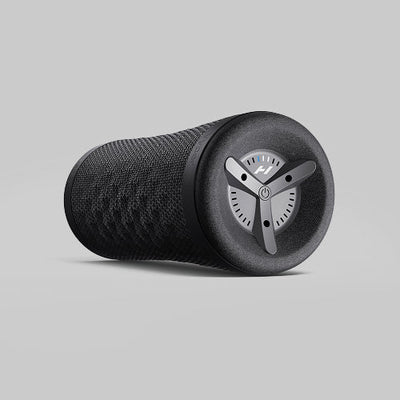
Vyper 3 — vibrating foam roller
A meaningful step up from the standard roller. Three vibration frequencies add a neurological dimension to myofascial release — vibration disrupts the pain-spasm cycle in ways static compression cannot. Research shows vibrating rollers reduce DOMS measurably faster than standard rollers in the 24–48 hour window.
Shop Vyper 3 →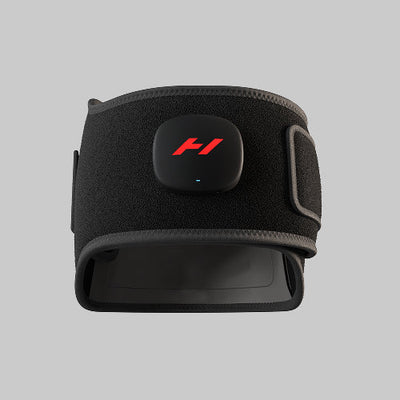
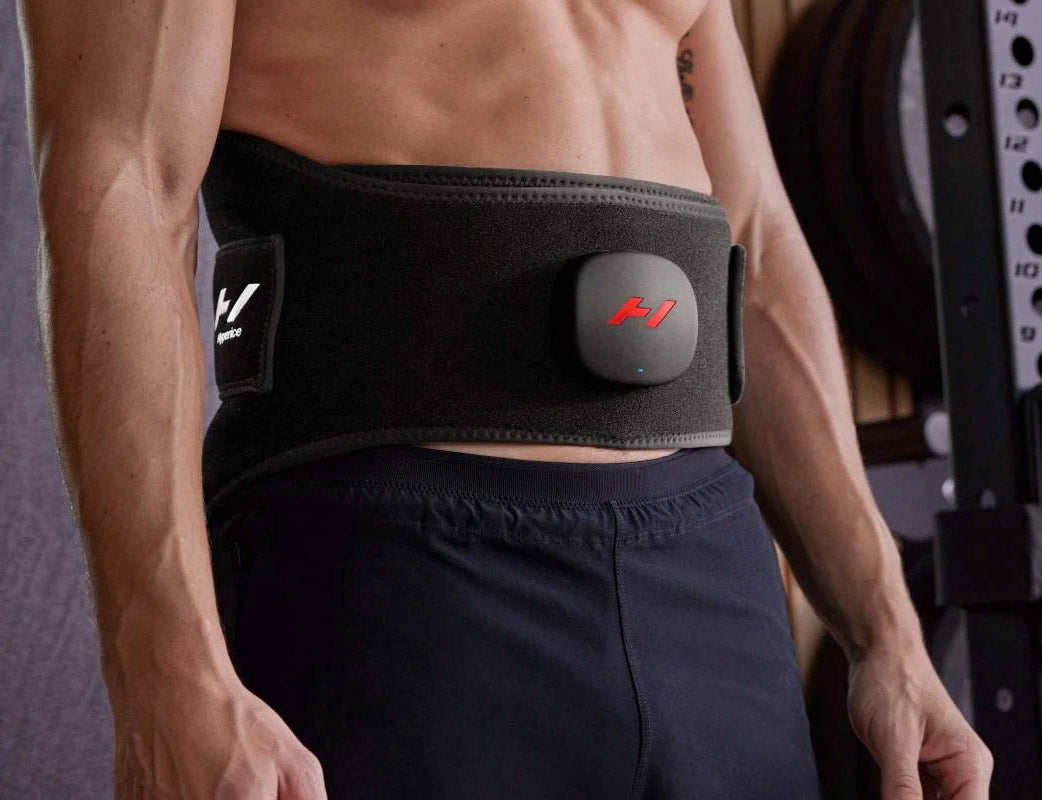
Venom 2 Back — heat and vibration wrap
Heat combined with vibration is a highly effective combination for chronic lower back tension — one of the most common complaints in trained athletes. Wear during stretching, cooldown, or evening recovery. Pairs well with Window 2 of the 3-Window Protocol.
Shop Venom 2 →Who should stop here: Most recreational and amateur athletes who train 3–5x per week will get everything they need from Tiers 1 and 2 combined. A complete kit — foam roller, tape, KT Ice Sleeve, Hypervolt Go, and Hypersphere Go — covers every phase of the 3-Window Protocol effectively for well under $600.
Tier 3 — $329–$599: The Serious Athlete Kit
This tier is for athletes where training volume is high, recovery time between sessions is limited, and the cost of showing up undertrained or injured has real consequences — competitive performance, season outcomes, or physical work that demands daily readiness.
At this level the tools deliver professional-grade performance. The gap between Tier 2 and Tier 3 isn't about luxury — it's about capacity, precision, and the ability to handle daily high-demand use without degradation.
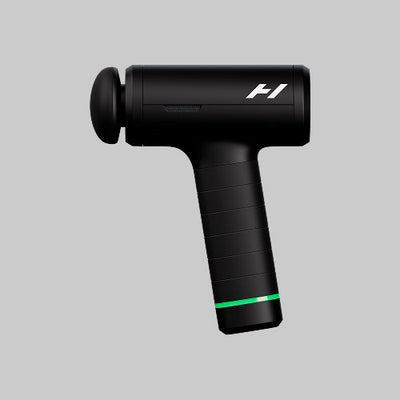
Hypervolt 3 — percussion massager
The everyday workhorse for serious athletes. Five speeds, five interchangeable attachments including the heated head, and a QuietGlide motor that runs at just 48dB — quiet enough to use while watching film or in a shared space. Bluetooth-connected to the Hyperice app for guided recovery routines, with a built-in pressure sensor that helps guide session intensity. Four-hour battery life handles a full week of daily use without recharging.
Shop Hypervolt 3 →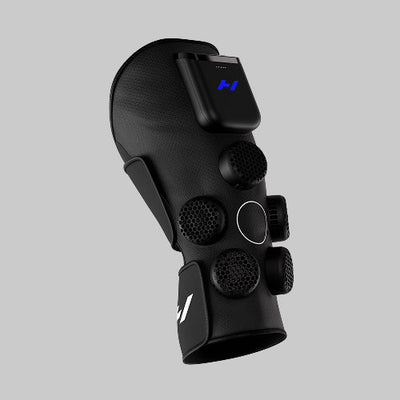
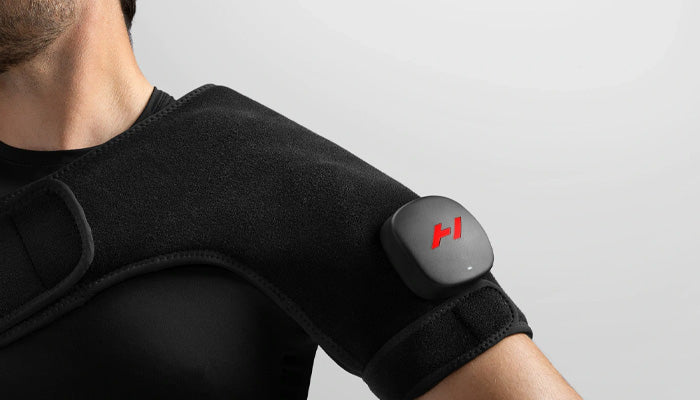
Hyperice X 2 — contrast therapy device
Hot and cold contrast therapy delivered with precision to a specific joint. Replaces the ice bucket and heating pad with a controlled, app-connected device that alternates temperature on a programmed cycle. Particularly effective for knee, shoulder, and elbow recovery — the joints that take the most wear in most sports.
Shop Hyperice X 2 →Tier 4 — $1,149+: The Professional Kit
This is the tier where professional athletes, sports medicine clinics, and recovery-first consumers operate. These tools deliver the most measurable, clinically supported recovery outcomes available outside of a professional treatment room.
This is how professional sports teams kit out their recovery rooms — percussion and compression working together, covering Windows 1 and 2 of the protocol simultaneously. Two tools, every phase covered, nothing left to chance.
Hypervolt 3 Pro — professional percussion massager
The top of the Hypervolt line. Six speed settings, 70 lbs of stall force, and five interchangeable attachments including the heated head — which applies localised heat precisely to the tissue being worked, a meaningful clinical upgrade over the standard Hypervolt 3. The QuietGlide motor runs at near-silent levels, making it usable in any environment. Used by professional sports teams and physio clinics across Canada.
Shop Hypervolt 3 Pro →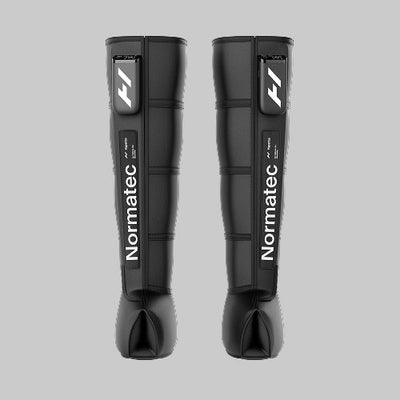
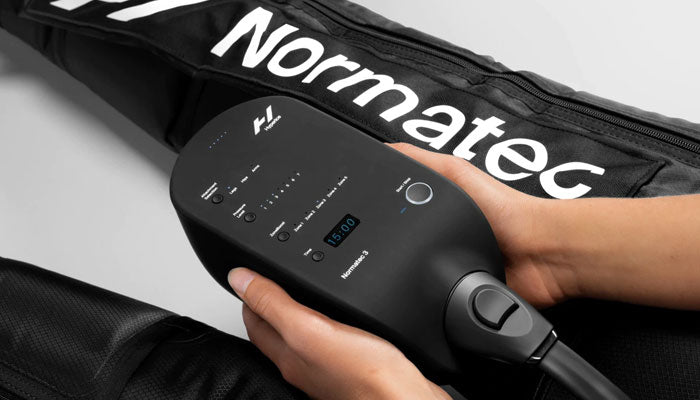
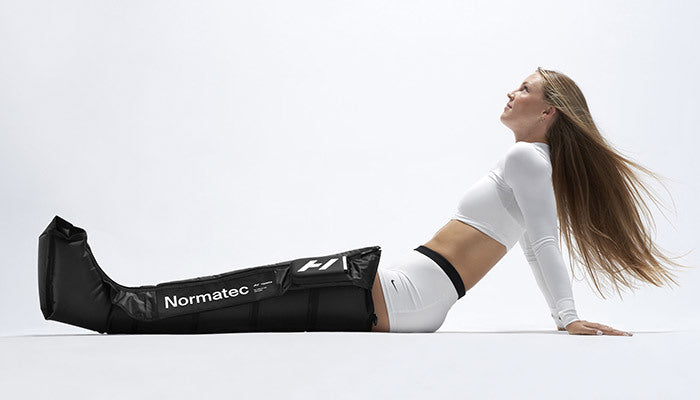
Normatec 3 Legs — dynamic air compression system
The single most evidence-backed recovery technology available. Normatec's Precision Pulse technology replicates the body's natural lymphatic pumping action — sequentially inflating chambers from foot to hip to flush metabolic waste and accelerate clearance of lactate and inflammation. Seven compression levels, ZoneBoost targeting, and Bluetooth connectivity via the Hyperice app. The results are tangible: measurably less soreness at 24 and 48 hours, faster return to full training readiness.
Shop Normatec 3 Legs →Normatec also available as
Normatec Elite ($1,399) — fully wireless, no hoses or control unit, self-contained boot with 4hr battery. Best for athletes who want to move freely during sessions or travel frequently.
Normatec 3 Full Body (from $1,949) — adds hip and arm attachments to the Legs system. Best for swimmers, rowers, paddlers, or multi-sport athletes whose upper body takes significant training load.
On the Tier 4 investment
The Hypervolt 3 Pro + Normatec 3 Legs kit runs just over $1,600 combined. Here's the honest math: at three Normatec sessions per week over three years, the boots alone cost under $3 per session. A single sports massage costs $90–$120. This kit doesn't replace hands-on treatment — but it replaces a significant portion of the recovery sessions most athletes would otherwise book, and it's available at 11pm after a hard training day when no clinic is open.
Which Tier Is Right for You?
Use this as a quick diagnostic. Pick the description that fits your situation most accurately.
Start at Tier 1 if...
- You're new to structured recovery
- Training 1–3x per week recreationally
- Currently in early injury rehab
- Budget is under $120 total
- You don't yet have consistent habits
Start at Tier 2 if...
- Training 3–5x per week consistently
- Regular soreness limiting performance
- Tier 1 basics are already in place
- Budget is $149–$349
- You want a meaningful daily-use tool
Consider Tier 3 if...
- Competing at club or amateur level
- Training volume is 6–12 hrs per week
- Back-to-back training days are common
- Joint-specific issues need targeted care
- You need professional-grade durability
Consider Tier 4 if...
- Training twice daily or near-daily
- Competition outcomes matter seriously
- Running a studio, team, or clinic
- Recovery time between sessions is a bottleneck
- You've exhausted what Tiers 1–3 offer
Buying Mistakes to Avoid
After fitting hundreds of athletes with recovery tools, these are the patterns we see most often.
Full Kit Summary
A quick reference for every tier — what's in it, who it's for, and what it costs to build.
| Tier | Key tools | Best for | Budget |
|---|---|---|---|
| Tier 1 — Essentials | Physio tape, foam roller, KT Health Ice Sleeve, massage ball | Beginners, rehab, casual athletes | Under $120 |
| Tier 2 — Performance | Hypervolt Go 2, Hypersphere Go, Vyper 3, Venom 2 Back | Regular gym-goers, runners, cyclists | $149–$349 |
| Tier 3 — Serious | Hypervolt 3, Hyperice X 2 | Competitive athletes, high-volume trainers | $329–$599 |
| Tier 4 — Professional | Hypervolt 3 Pro + Normatec 3 Legs (kit) | Elite athletes, clinics, recovery-first buyers | $469–$1,949 |
Ready to build your kit?
Shop the full Recovery Room range
Every product in this guide is available at Recovery Room — Canada's recovery specialists, based in Oakville, ON. Free shipping on qualifying Hyperice orders, and our team is available to help you pick the right tools for your specific situation.
Shop all recovery tools → Talk to the team