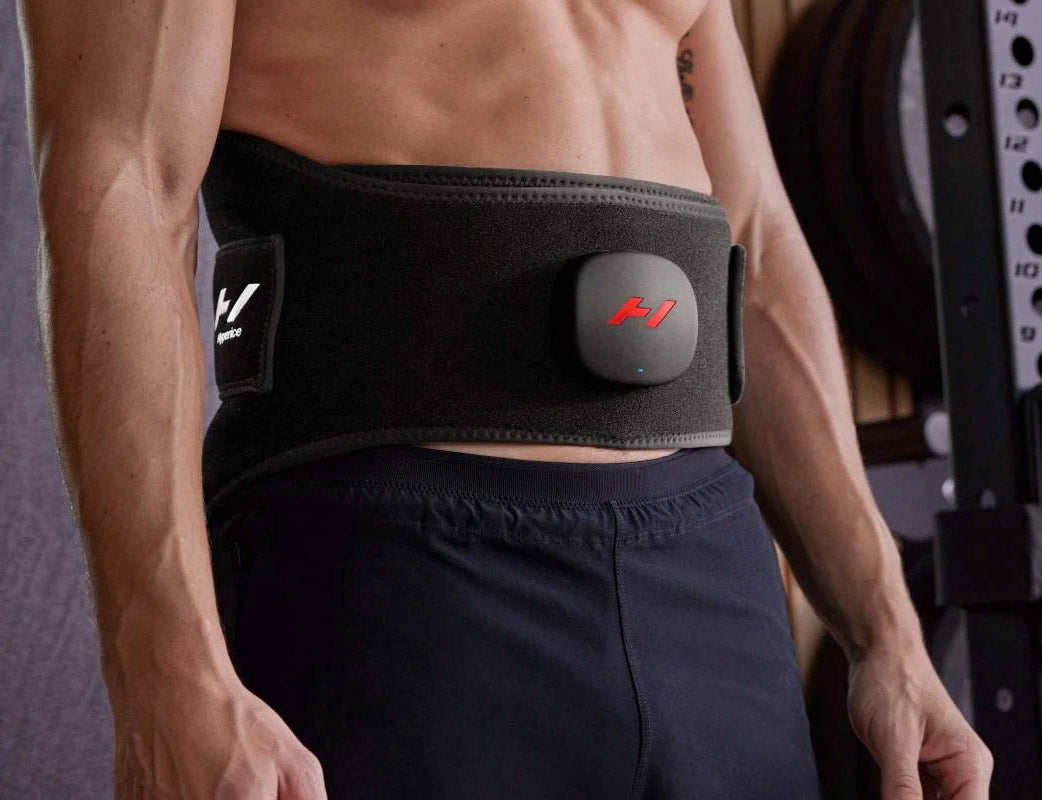
Lower back pain rarely has one simple cause. A long drive, heavy deadlifts, a weekend of yard work, poor sleep, or a sudden increase in training volume can all leave the area tight, guarded, and difficult to move. The best tools for lower back pain help you reduce that protective tension, restore comfortable movement, and stay consistent with the rehab or training habits that keep the problem from returning.
The right choice depends on what your back is telling you. A warm, stiff back after sitting needs a different approach than a flare-up after lifting, or pain that travels into the glute or leg. Think of recovery tools as support for movement, not a substitute for assessment, progressive strengthening, or medical care when symptoms are serious.
Start by Matching the Tool to Your Symptoms
Before buying every recovery device in sight, identify the pattern. Is the discomfort mainly stiffness? Muscle soreness? A feeling of spasm? Does it improve once you move, or become sharper as you bend, twist, cough, or load the area?
For general muscular tightness and post-training soreness, heat, self-massage, gentle mobility, and controlled core work can be useful. If a recent strain feels hot, irritated, or inflamed, cold therapy may feel better early on. For persistent pain, recurring flare-ups, or symptoms that affect your daily function, a physiotherapist can help identify the limiting factor and build a plan around it.
Seek prompt medical assessment after a significant fall or impact, or if back pain comes with new leg weakness, numbness around the groin, loss of bowel or bladder control, fever, unexplained weight loss, or severe pain that will not settle. Recovery equipment is valuable, but it is not the right tool for every situation.
Best Tools for Lower Back Pain at Home
Heat therapy for stiffness and guarding
Heat is often the first tool active adults reach for because it is simple and immediately comforting. A heating pad, heated wrap, or heat-and-vibration device can help relax tense muscles and make it easier to begin walking, mobility work, or a light training session.
Use heat when your back feels stiff after prolonged sitting, cold-weather activity, travel, or a demanding workout. Try 15 to 20 minutes, then follow it with gentle movement rather than returning straight to the couch. Heat is less suitable on an area that is acutely swollen or visibly bruised. Always use a protective layer and avoid falling asleep on a heating device.
Cold therapy for a fresh flare-up
Cold therapy can be a practical short-term option after a recent aggravation, particularly when the area feels hot, sore, or reactive. A reusable cold pack is more controlled than sitting on an ice bag and can be applied for brief periods with a barrier between the pack and skin.
Cold does not fix the underlying cause of lower back pain, and it is not necessary for every strain. Its job is symptom management: helping you settle a flare-up enough to sleep, walk, and return to comfortable activity. If cold makes your back feel tighter, switch to heat or alternate the two based on what gives you better movement.
Percussion therapy for surrounding muscles
A percussion massage device can be useful for the glutes, upper hamstrings, hip flexors, and muscles beside the spine. Those areas often become overworked when the lower back is doing more than its share during running, lifting, cycling, or long days on your feet.
Avoid aggressively hammering directly over the bony spine or using high pressure on a highly sensitive area. Start with a soft attachment and a low setting for 30 to 60 seconds per muscle group. The goal is to reduce tone in tissues around the lower back, not to force pain away. Follow with a few slow bodyweight hinges, hip rotations, or a short walk to make use of the temporary increase in comfort.
Self-massage tools for targeted release
Foam rollers, massage balls, and contoured rollers offer more control than a large massage device and cost less. A roller works well for the glutes, upper back, and thighs. A firm massage ball can target the glute medius, piriformis region, and muscles around the outer hip that may contribute to a feeling of low-back tightness.
Do not roll directly up and down the lumbar spine. Instead, use the floor or a wall to work the tissues beside it, keeping pressure tolerable. A useful rule: discomfort is acceptable; sharp, electric, or radiating pain is not. If you brace your whole body or hold your breath to tolerate the pressure, back off.
Mobility tools that make movement easier
Limited hip and thoracic spine movement can shift extra demand to the lower back. Mobility tools such as resistance bands, stretch straps, yoga blocks, and exercise mats make it easier to perform the basics with good positioning.
A band can assist gentle hamstring and hip-flexor stretches without forcing your spine into a rounded position. A yoga block can bring the floor closer for supported hip-opening drills. These tools are not flashy, but they are highly effective when they help you repeat a few comfortable movements daily.
The key is dosage. Stretching hard into pain is rarely productive. Work in a range that feels controlled, breathe normally, and reassess how your back feels when you stand up and walk afterward.
Core and hip strength equipment for lasting change
For many recurring cases, the most valuable lower back tool is the one that helps you build capacity. Resistance bands, suspension trainers, light dumbbells, and a stable exercise bench can support progressive exercises for the trunk, glutes, and hips.
This does not mean endless crunches. Better starting options often include dead bugs, bird dogs, side planks, glute bridges, carries, and controlled hip hinges. The right exercise selection depends on your tolerance and training background, but the principle is consistent: teach the trunk to stay controlled while the hips and legs produce force.
If you are returning from injury, begin with an effort level that leaves you feeling the same or better the next day. Progress load, range of motion, or repetitions gradually. A tool that lets you train consistently at the right level will do more for resilience than an expensive device used only during flare-ups.
When Compression, Red Light, or Vibration May Help
Compression therapy is typically more useful for leg fatigue, swelling management, and full-body recovery than for isolated lower back pain. However, runners, hockey players, cyclists, and field athletes who develop back tightness alongside heavy leg fatigue may benefit from using compression as part of their overall recovery routine. It can help them feel fresher for the mobility and strength work that addresses the back more directly.
Red light therapy may be considered as an adjunct for people managing muscular discomfort or looking to support their recovery routine. Results vary by device, treatment area, and condition, so it should not be positioned as a standalone answer to persistent back pain. Use it alongside sensible load management, movement, and professional guidance when needed.
Vibration can feel good for short-term relaxation, especially when paired with heat. It is best viewed as a comfort and warm-up tool. If it helps you move with less guarding before a walk or rehab session, it has a role. If it replaces the work of gradually restoring strength, its value will be limited.
Build a 15-Minute Recovery Routine You Will Actually Use
A recovery plan only works when it fits real life. After a long workday or tough session, try 10 minutes of heat if stiffness is your main issue. Then spend two minutes on gentle glute and hip self-massage, followed by a few controlled mobility drills and one or two low-load core exercises.
On a fresh, irritated flare-up, skip intense massage and deep stretching. Use brief cold therapy if it feels relieving, take several short walks through the day, and keep movement easy. As symptoms settle, reintroduce heat, mobility, and strength in a gradual sequence.
Pay attention to your 24-hour response. Mild muscle soreness from a new exercise can be normal. Increased pain that lasts into the next day, spreads down the leg, or repeatedly disrupts sleep is a sign to reduce the dose and get more specific help.
Choose Tools That Support Your Real Recovery Goal
The best setup is not necessarily the largest one. If your main issue is desk-related stiffness, a heating pad, massage ball, and resistance band may cover nearly everything you need. If you train hard and regularly feel back tightness after lower-body sessions, a percussion device plus progressive strength equipment may be a better investment. Clinics, training facilities, and teams may benefit from a broader recovery station that combines heat, treatment tables, mobility equipment, and compression for whole-body recovery needs.
Choose equipment that removes friction from the habits you need most. Recovery Room’s curated approach is built around that principle: targeted tools for pain relief, mobility, and a stronger return to activity. Start with the tool that makes comfortable movement possible today, then build the strength and confidence that keeps your lower back ready for tomorrow.