A tight calf can change how you run. A stiff upper back can make overhead lifting feel restricted. A sore quad can make stairs feel like a workout of their own. Foam rollers are a simple, practical tool for addressing these common restrictions between training sessions, before movement, or after a long day on your feet.
They are not a replacement for medical assessment, strength training, or proper rehabilitation after an injury. Used well, though, they can help reduce the sensation of muscle tightness, improve short-term range of motion, and make movement feel more comfortable. The goal is not to punish sore tissue. It is to give your body a useful recovery input, then follow it with the movement or training that helps that improvement stick.
What Foam Rolling Actually Does
Foam rolling is a form of self-myofascial release. In practical terms, you use your body weight against a roller to apply pressure to muscles and surrounding soft tissue. That pressure creates a strong sensory signal. It may temporarily reduce your perception of tightness and help your nervous system allow a little more movement.
This is why a roller can feel useful before a squat session, a run, or a mobility workout. Studies generally support foam rolling for short-term flexibility and range-of-motion improvements, often without the temporary power loss associated with long static stretching. The effect is usually modest, and it is not permanent. That is not a weakness. It means foam rolling works best as one part of a smart recovery routine.
Think of it as preparation and maintenance, not a cure. If your hips feel restricted because they have been sitting all day, rolling may help you move better before a walk or training session. If the same restriction returns every week, the longer-term answer may include better load management, strength work, sleep, and a look at your training volume.
Choosing Foam Rollers for Your Needs
Not every roller delivers the same experience. Density, surface shape, size, and material all change the amount and type of pressure you can apply. Choosing the right tool matters because a roller that is too aggressive often leads people to brace, hold their breath, and avoid using it consistently.
Soft and medium-density rollers
A softer roller is a strong starting point for beginners, people returning from injury, and anyone who finds deep pressure uncomfortable. It distributes pressure over a wider area and works well for gentle work on the upper back, glutes, calves, and quads.
Medium-density foam rollers offer a useful balance for most active adults. They provide enough firmness to create meaningful pressure while remaining manageable for regular use. If you want one versatile roller for home recovery, this is often the most practical category.
Firm, textured, and high-density rollers
High-density rollers hold their shape under more body weight and suit experienced users who prefer a firmer feel. They can be effective for larger muscle groups such as the quads, hamstrings, glutes, and lats, particularly when you can control your position well.
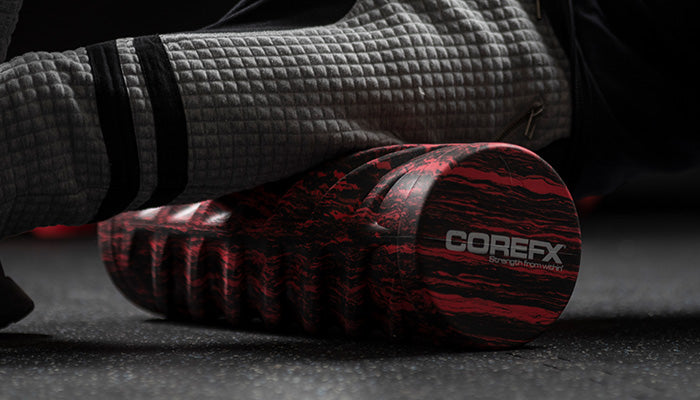
Textured rollers have ridges, bumps, or raised patterns that create more concentrated pressure. Some athletes enjoy them for targeted work, but more intensity is not automatically better. A textured surface can feel overly sharp on sensitive tissue or when soreness is high. Start with light pressure and assess how you feel later that day and the next morning.
Full-length versus compact rollers
A full-length roller offers more stability. It is especially useful for upper-back work, where you may lie lengthwise along the roller to open the chest and support the spine. It also gives beginners more room to position themselves safely.
Compact rollers are easier to store in a gym bag, locker, or travel kit. They are useful for calves, feet, glutes, and smaller targeted areas. For a clinic, training facility, or shared recovery space, offering both sizes can support a wider range of bodies and applications.
How to Use a Foam Roller Without Overdoing It
Effective foam rolling is controlled, brief, and specific. You do not need a 30-minute session or extreme discomfort to get a benefit. Start with roughly 30 to 60 seconds per area, moving slowly enough to notice where tension is highest. One or two passes is often enough before training. After training, use a little more time if it feels restorative.
Keep your breathing calm. If you are grimacing, holding your breath, or tensing every muscle to tolerate the pressure, reduce your body weight on the roller or choose a softer option. You can support yourself with your hands or the opposite leg to control intensity.
When you find a tender spot, pause for a few breaths rather than grinding aggressively over it. Then move gradually through the area. The sensation should feel productive, not sharp, burning, numb, or electric.
A simple pre-training approach might include rolling the calves, quads, glutes, and upper back for a minute each, followed by dynamic movement. For example, after rolling the calves, do ankle rocks or bodyweight calf raises. After working the upper back, add band pull-aparts or controlled thoracic rotations. Mobility gained through rolling is more useful when you actively use it.
Areas That Respond Well to Rolling
The calves, quads, hamstrings, glutes, lats, and upper back are usually practical places to start. These are broad muscular areas where you can control pressure and position without putting force directly on vulnerable joints.
For runners and field athletes, calf and quad work can be particularly helpful when training volume increases. Cyclists may benefit from gentle work through the quads, glutes, and upper back after long rides. Hockey and football players often use a roller as part of a post-training routine for the hips, legs, and thoracic spine. Golfers may find upper-back and lat mobility useful before rotational practice.
The iliotibial band, commonly called the IT band, deserves a more careful approach. It is not a muscle that needs to be crushed into submission. Rolling directly along the outside of the thigh can be very uncomfortable and may not address the source of lateral knee discomfort. If that area is sensitive, spend more time on the glutes, quads, and surrounding hip muscles, then build hip strength and seek professional guidance if pain persists.
Where Not to Roll
Avoid rolling directly over joints, bones, the front or side of the neck, the low back, and areas with visible swelling or acute injury. Do not use a roller over a suspected fracture, open wound, blood clot, varicose vein concerns, or an area with reduced sensation unless a qualified healthcare professional has advised you to do so.
The low back is a common mistake. Lying directly on a roller there can encourage the spine to arch and may increase irritation. If your lower back feels tight, work on the glutes, upper back, hip flexor region with care, and surrounding muscles instead. Persistent back pain, radiating symptoms, weakness, or numbness calls for clinical assessment, not more pressure.
If you are recovering from surgery, managing osteoporosis, taking blood-thinning medication, or dealing with a diagnosed medical condition, check with your healthcare provider before adding self-massage tools to your routine.
Build Foam Rolling Into a Recovery Plan
Consistency matters more than intensity. A roller used for five focused minutes several times a week is more valuable than an exhausting session once a month. Keep it where you will use it: beside your training space, near the television, or in your work-from-home setup.
For soreness after a demanding session, combine light rolling with hydration, adequate protein, sleep, and easy movement such as walking or cycling. For mobility before training, use the roller to prepare the areas that limit your movement, then follow with dynamic drills and your warm-up sets. For ongoing pain, use foam rolling as a comfort tool while addressing the underlying driver with a physiotherapist, coach, or qualified clinician.
Recovery Room approaches recovery tools as practical supports for how you train, work, and move. The right roller should fit your tolerance and routine, not force you into a more aggressive method than your body needs.
Start with the area that most often limits your movement, use enough pressure to feel a release without provoking pain, and pay attention to what changes when you stand up and move. Better recovery is often built from those small, repeatable decisions.