Order Summary
No items in your bag. Let's Start Shopping!





Free Shipping - Hyperice
Free Shipping on Hyperice Products
The hardest part of hockey recovery often starts after the final buzzer. Your legs are heavy, your hips are tight, your shoulders took a few bumps, and your nervous system is still running hot. If you are wondering how to recover after hockey without dragging that fatigue into your next skate, the answer is not one magic fix. It is a sequence - cool down properly, rehydrate, refuel, restore mobility, and use the right recovery tools based on how hard you played.
Hockey is demanding in a way many sports are not. You get repeated high-intensity shifts, quick decelerations, contact, deep skating posture, and a lot of rotational load through the hips, groin, spine, and shoulders. That combination creates both general fatigue and sport-specific stiffness. Good recovery is about bringing your body back toward baseline so you can perform again, not just feel slightly less sore.
A hard game or training session creates several layers of stress at once. Your muscles absorb repeated eccentric load when you stop, turn, and battle along the boards. Your cardiovascular system gets pushed by repeated sprint efforts. Your joints and connective tissues take impact, especially if the session included contact or a lot of edge work.
Then there is posture. Hockey keeps you flexed through the hips and knees for long stretches, which can leave the hip flexors, adductors, glutes, calves, and low back feeling stiff or overworked. Add equipment weight, cold rink conditions, and the tendency to tense the upper body when shooting or absorbing contact, and it is easy to see why recovery needs to be deliberate.
The first hour matters more than most players think. If you go straight from a hard skate to sitting in the car, then skip food and fluids, recovery gets slower.
Start with a short cool-down. Five to 10 minutes of easy biking, walking, or light movement helps bring your heart rate down gradually and can reduce that locked-up feeling in the legs. This is not conditioning. It is just enough movement to help circulation and start clearing some of the waste products that build up during repeated hard efforts.
After that, shift into mobility. Focus on the areas hockey stresses most - hip flexors, adductors, glutes, calves, and thoracic spine. Keep it controlled. Right after a game is not the time for aggressive stretching. Gentle mobility drills usually work better than forcing long static holds on tissues that are already irritated.
If you took contact, got slashed, blocked shots, or feel a flare-up in a specific area, treat that differently from normal post-game soreness. Localized pain, swelling, bruising, or joint restriction may need targeted cold therapy and rest rather than a general recovery routine.
A lot of post-hockey fatigue is just under-recovery from fluids and nutrition. Players sweat more than they realize, even in a cold rink. If you finish a game dehydrated, your recovery, sleep quality, and next-day energy can all take a hit.
Start with water and add electrolytes if the skate was intense, long, or you are a heavy sweater. The goal is to replace what you lost, not chug random amounts all at once. Drinking steadily over the next few hours is usually more effective than trying to fix everything in 10 minutes.
Refuelling should happen soon after play, especially if you have another skate, workout, or physically demanding day ahead. Protein helps repair muscle tissue, and carbohydrates help restore glycogen after repeated high-intensity shifts. The exact meal depends on timing and appetite, but a balanced post-game intake beats skipping food and hoping soreness will sort itself out.

This is where context matters. Not every recovery tool fits every player or every session.
Cold therapy can help when you are dealing with acute soreness, impact-related inflammation, or a specific area that feels hot, swollen, or aggravated. After a physically heavy game, cold can also reduce the perception of pain and calm tissue irritability. It is often most useful for targeted trouble spots like knees, shoulders, ankles, or a bruised thigh.
Heat therapy is better when the issue is general stiffness, chronic tightness, or a body part that feels restricted rather than inflamed. Many players respond well to heat for low back tightness, hip stiffness, or upper-body tension, especially later in the day or the next morning.
Contrast therapy, alternating hot and cold, can be useful when the goal is to stimulate circulation and reduce that heavy-legged feeling after intense lower-body work. Some athletes love it after games, others prefer it on the next day. It depends on your tolerance, schedule, and whether you are managing impact soreness or simple fatigue.

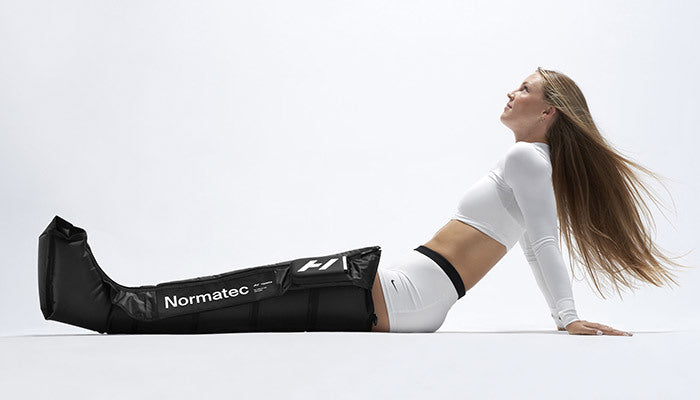
Repeated skating shifts can leave the legs feeling dense, swollen, and flat. Compression therapy is useful here because it supports circulation and can reduce that sluggish, post-game heaviness. Players who skate multiple times a week often find compression especially helpful during congested schedules, tournament weekends, or return-to-play periods.
The biggest benefit is practical. When your legs recover faster, it is easier to maintain quality in your next session. That matters if you are training seriously, balancing hockey with gym work, or trying to stay mobile through a long season.
Compression is not a substitute for sleep, food, or smart workload management. It works best as part of a full recovery plan, not a shortcut around the basics.

If you only have 10 minutes, spend it where hockey creates the most restriction. Most players benefit from opening the front of the hips, restoring adductor length, waking up the glutes, and getting some rotation back through the mid-back.
A simple post-hockey mobility block might include a half-kneeling hip flexor stretch, adductor rock-backs, glute bridges, calf mobility against a wall, and controlled thoracic rotations. The goal is not to crush yourself with recovery work. It is to restore movement quality so stiffness does not accumulate from skate to skate.
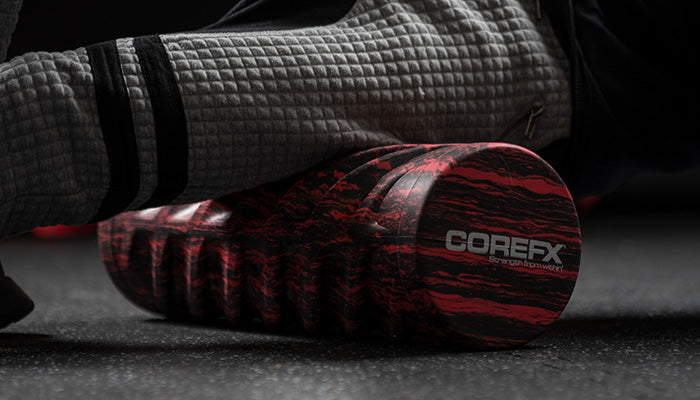
Self-massage can help too, especially for quads, glutes, calves, and the muscles around the hips. Percussion devices, foam rollers, and massage balls all have a place, but pressure should match the tissue. More force is not always better. If a tool leaves you guarding or bruised, it is probably too aggressive.
Most players look for advanced recovery methods before fixing the one that matters most. Sleep is where tissue repair, hormonal regulation, and nervous system recovery actually happen. If your sleep is poor after evening games, it is harder to bounce back, even if you do everything else right.
Post-game routines can help. Rehydrate, eat, give yourself time to downshift, and avoid jumping straight from high stimulation into bed. Some athletes benefit from gentle stretching, heat, or breath work before sleep to bring the body out of game mode.
If you are dealing with persistent soreness, poor energy, irritability, or declining performance, look at your sleep before assuming you need more treatment. Recovery problems are often lifestyle problems wearing a sports mask.
The day after hockey should match the level of fatigue and damage from the session before. If it was a hard-contact game and your body feels banged up, recovery may mean light movement, mobility, and tissue care rather than another intense workout. If it was a moderate skate and you feel decent, easy aerobic work and strength training may still be fine.
This is where athletes often get recovery wrong. They either do nothing and stay stiff, or they train hard again before the body is ready. Active recovery usually works better than complete inactivity. A walk, an easy bike, a mobility session, or light recovery work can improve circulation and help you feel more normal sooner.
If a joint is swollen, your range of motion is limited, or pain is sharp rather than dull, that moves out of normal recovery territory. At that point, it is smarter to reduce load and assess whether you are managing an injury, not just post-game soreness.
General muscle soreness in the legs, hips, and trunk is common after hockey, especially early in the season or after a jump in workload. What is less normal is pain that changes your stride, lingers without improvement, wakes you at night, or gets worse each session.
Groin pain, hip pinching, knee swelling, shoulder instability, and low back pain are common hockey complaints that should not be brushed off if they keep returning. The earlier you address patterns like restricted mobility, poor tissue recovery, or overload, the easier it is to stay on the ice consistently.
For athletes, active adults, and teams building better recovery habits, the best approach is usually simple and repeatable. Recovery Room focuses on that kind of outcome-driven recovery - tools and methods that help reduce pain, restore mobility, and get you ready for the next session with less guesswork.
The players who recover best are rarely doing anything flashy. They cool down, rehydrate, eat properly, restore mobility, and use targeted recovery methods when needed. They also pay attention to patterns. If your hips always lock up, address them early. If your knees swell after games, manage the load and use the right therapy right away.
That is the real answer to how to recover after hockey. Do the basics well, then add tools that match your body and your schedule. Recovery should make your next skate better, not just make you feel productive after the last one.
Treat recovery like part of your training, and your body usually gives that effort back on the ice.