Order Summary
No items in your bag. Let's Start Shopping!





PRE ORDER NOW
Pre order is live for the NEW Normatec Elite Heat

Nike Hyperboot
Shop the sale $200 OFF

NEW product alert
Introducing the Nike Air Zoom Hyperslide

Free Shipping - Hyperice
Free Shipping on Hyperice Products
After a hard run, a long hockey tournament, or a full day on your feet, leg fatigue can linger well beyond the workout. Pneumatic compression explained simply: it is a recovery method that uses inflatable chambers to apply controlled, rhythmic pressure to the legs, hips, arms, or other targeted areas. The goal is straightforward - help you feel less heavy, less stiff, and more prepared to move again.
Compression therapy systems have become common in athletic training rooms, physiotherapy settings, and home recovery spaces because they offer a practical way to support recovery between demanding sessions. They are not a replacement for sleep, nutrition, smart training loads, or medical care. Used well, though, they can be a valuable part of the bigger recovery plan.
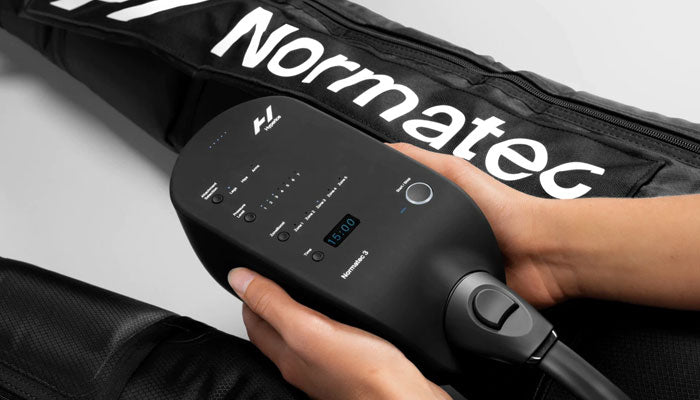
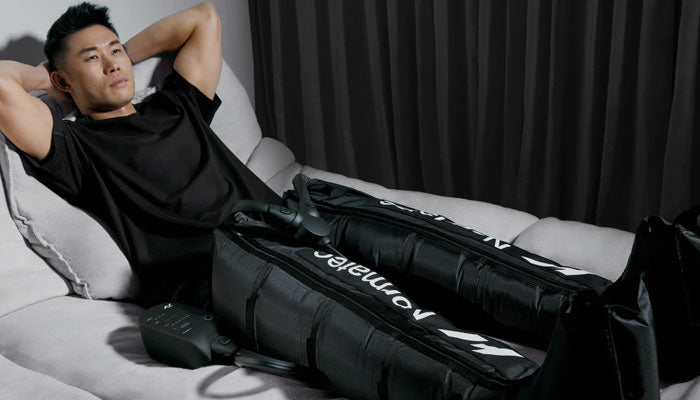
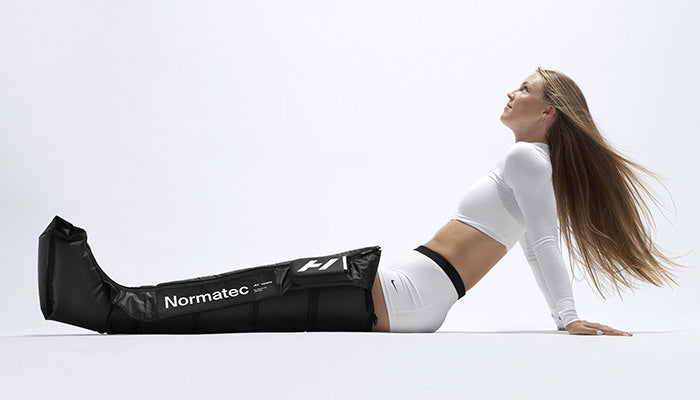
A pneumatic compression system typically includes a control unit and a sleeve or boot containing several air chambers. Once activated, the unit fills and releases those chambers in a programmed sequence. Rather than applying one constant squeeze, the pressure often moves from the foot upward through the calf and thigh.
That wave-like pattern is designed to create intermittent compression. As the chambers inflate, they gently compress soft tissue. As they deflate, pressure releases before the next cycle begins. Many systems allow you to adjust pressure, treatment time, and the compression pattern based on how your legs feel and the type of recovery you need.
The sensation is firm but generally comfortable. Think of it as a measured, repeating squeeze rather than deep-tissue massage. For athletes who find manual massage difficult to schedule or uncomfortable after hard training, pneumatic compression provides a consistent, hands-free option.

The most immediate benefit is often how the legs feel after a session. A compression treatment may help reduce the sense of tightness, heaviness, and soreness that follows running, cycling, strength work, field sports, or long periods of standing.
The external pressure can support venous and lymphatic return, helping move fluid through the limbs. This is one reason people often use compression boots after travel, tournament weekends, or high-volume training blocks, when their lower legs may feel puffy or fatigued.
Research on recovery outcomes is still nuanced. Pneumatic compression may improve perceived muscle soreness, recovery comfort, and readiness for some users, but results can vary based on training type, timing, pressure settings, and the individual. It should not be marketed as a shortcut that erases muscle damage or guarantees better performance the next day.
That distinction matters. The strongest reason to use a compression system is often practical: it helps you build a recovery routine you will actually follow. Fifteen to thirty minutes of quiet, passive recovery can make it easier to slow down after training and pay attention to what your body needs.
Pneumatic compression can make sense when your goal is to reduce post-exercise leg fatigue, manage soreness during a busy training schedule, or feel more mobile after being on your feet. Runners may use it after longer mileage days. Hockey and soccer players may use it between games. Strength athletes may use it after lower-body training, especially when the next session is close.
It can also be useful for active professionals, travellers, and people returning to exercise after time away. The priority is not necessarily elite performance. Sometimes the benefit is simply making tomorrow's walk, commute, or training session feel more manageable.
There is no single perfect time. Many people use pneumatic compression shortly after a workout, while others prefer it later in the day when their legs begin to feel heavy. If you train twice in one day or compete over several days, a session between efforts may provide a welcome reset.
A typical treatment lasts 15 to 30 minutes. Start with a moderate pressure setting and assess how your legs respond. Higher pressure is not automatically better. If the treatment feels painful, creates numbness, or leaves you more uncomfortable, lower the setting or stop.
For general recovery, consistency usually matters more than intensity. Two or three sessions per week may fit well during regular training. During a demanding event, travel period, or high-volume block, some athletes use compression more frequently. Let your workload and how you feel guide the decision.
Passive tools work best alongside basic recovery habits. A short walk, easy spin, mobility work, hydration, and a meal with enough protein and carbohydrates all address different parts of recovery. Compression can complement those actions, but it cannot compensate for chronically poor sleep or an unsustainable training plan.
For example, after a long run, you might walk for five to ten minutes, rehydrate, eat, then use compression boots while relaxing later in the day. After a hockey game, a brief cool-down and compression session may be more realistic than a lengthy recovery protocol. Keep the routine simple enough that it survives a busy week.
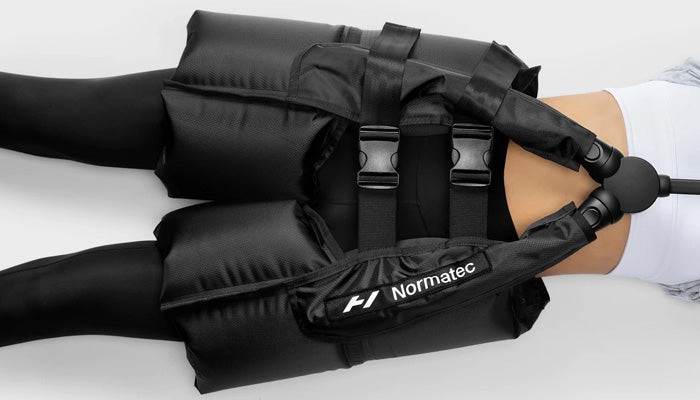
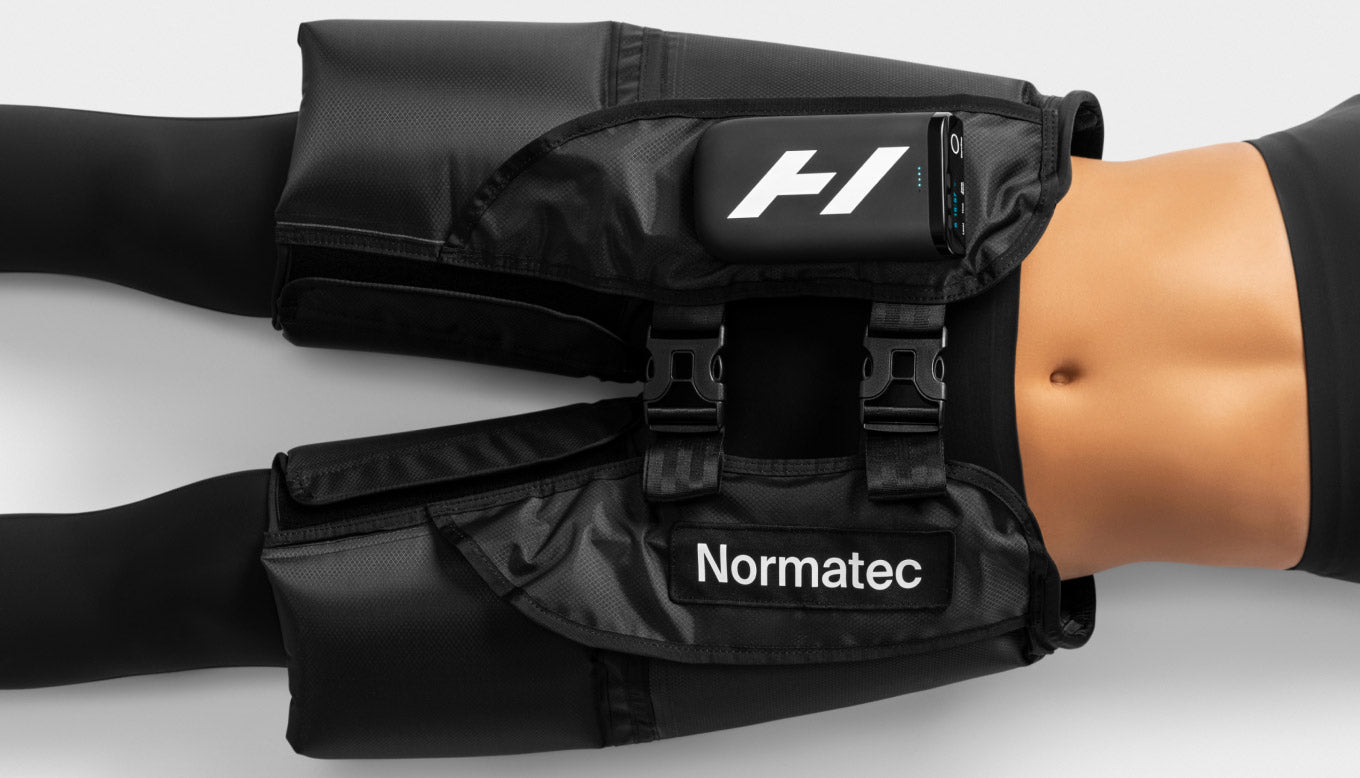
Not all compression systems are built for the same use. Some are designed primarily for the legs, while others offer hip attachments or arm sleeves. The right choice depends on the body area you want to support and how often you expect to use it.
Look closely at chamber count, pressure range, treatment modes, fit, portability, and ease of cleaning. More chambers can allow for more targeted sequencing, but the best system is the one that fits comfortably and is easy enough to use consistently. If you travel for races, tournaments, or work, battery life and packability may matter as much as advanced settings.
For clinics, teams, and gyms, durability and repeatable protocols become more relevant. A commercial recovery space may need multiple units, hygienic sleeve management, and programming that staff can explain clearly to clients or athletes. Home users may prioritize quiet operation, storage, and uncomplicated controls.
Recovery Room organizes compression therapy around real use cases, from post-training leg fatigue to structured recovery spaces, so it is easier to match the equipment to the outcome you want.
Pneumatic compression is not appropriate for every situation. If you have a history of blood clots or deep vein thrombosis, severe peripheral arterial disease, uncontrolled heart failure, an active infection, unexplained swelling, or severe circulation concerns, speak with a qualified healthcare professional before using a compression device.
The same applies if you are recovering from surgery or managing a diagnosed injury. Your physiotherapist, physician, or rehabilitation professional can help determine whether compression fits your treatment plan and when to begin. Do not use recovery boots to self-treat sudden one-sided swelling, warmth, redness, chest pain, or shortness of breath. Those symptoms need prompt medical assessment.
Healthy users should also treat pain as useful information. Compression may feel strong, but it should not cause sharp pain, tingling, or distress. A well-fitted sleeve and sensible pressure setting make the experience more effective and more comfortable.
Pneumatic compression earns its place in recovery because it is convenient, repeatable, and targeted. For sore legs after training, travel, or physical work, it can create a welcome feeling of relief and readiness without adding more effort to your day.
Use it as part of a recovery system that respects the fundamentals: train with purpose, fuel adequately, sleep consistently, and respond early when pain changes how you move. The best recovery tool is the one that helps you stay active, resilient, and ready for the work ahead.