Legs feel heavy after a hard run. Your calves are tight after hockey. Your shoulders are knotted from lifting or long hours at a desk. That is where the compression boots vs massage gun decision gets real - not as a trend, but as a practical choice about how you want to recover and what kind of relief you actually need.
Both tools can earn a place in a recovery routine, but they do different jobs. Compression boots are built to improve circulation, reduce that swollen or heavy-leg feeling, and support recovery after training or prolonged physical strain. A massage gun is more targeted. It helps you work into a specific area that feels tight, overworked, or restricted.
If you are deciding between them, the best answer usually comes down to where your soreness lives, how much time you have, and whether you want full-limb recovery or spot treatment.
Compression boots vs massage gun: what is the real difference?
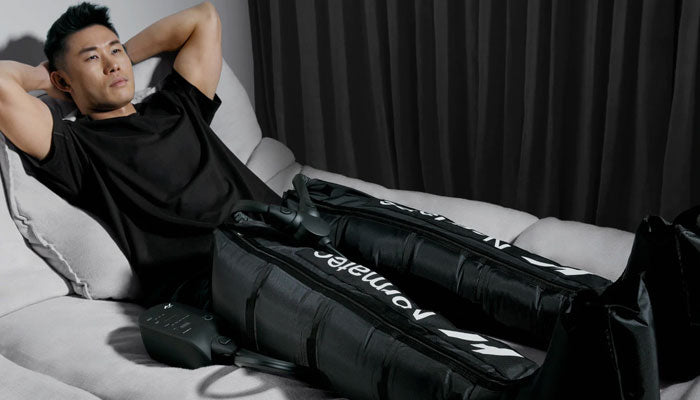
Compression boots use dynamic air pressure to rhythmically squeeze the legs in zones, usually from the feet upward. That sequential pattern is designed to support circulation and help move fluid through the limbs. For athletes and active adults, that often translates to legs that feel less fatigued after running, cycling, field sports, or long days on your feet.
A massage gun works through rapid percussive or vibration-based contact on soft tissue. Instead of treating the whole leg at once, it lets you focus on one muscle group at a time, such as the quads, glutes, traps, or forearms. It is useful when a certain area feels stiff or when you want to prepare tissue before training.
So the choice is not really about which tool is better overall. It is about which one matches the job. Compression boots are usually the stronger option for broad lower-body recovery. A massage gun is usually the stronger option for localized muscle tension.
When compression boots make more sense
If your main issue is post-workout leg fatigue, compression boots tend to stand out quickly. They are especially helpful after running, cycling, skiing, soccer, hockey, and any training block where your lower body takes repeated impact or volume. You put them on, sit back, and let the system work through the entire leg.
That matters because many people do not actually need more pressure on one sore spot. They need a general recovery session that helps their legs feel fresher and less loaded. Compression boots are well suited to that kind of full-system recovery. They can also be easier to tolerate when you are very sore, since the sensation is usually less aggressive than direct percussion.
They also fit well in structured environments. In clinics, training facilities, and team settings, compression systems are often appealing because they provide consistent, repeatable sessions with minimal technique required from the user. For someone building a recovery room for athletes or clients, that simplicity has real value.
The trade-off is specificity. If your problem is one stubborn knot under the shoulder blade or a tight band in the calf, boots may not touch the exact issue in the way a massage gun can.
When a massage gun is the better tool
A massage gun shines when you can point to the problem. Tight hip flexors after lifting. Calves that feel bound up. Upper back tension from travel or desk work. In those cases, a targeted device makes sense because you can spend time exactly where you need it.
It is also more versatile across the body. Compression boots are largely a lower-body recovery tool. A massage gun can be used on the legs, glutes, back, shoulder, arms, and in some cases the feet, depending on the attachment and the user's comfort level.
For warm-ups, a massage gun may also have the edge. Brief use before training can help certain areas feel less stiff and more ready to move, especially when paired with mobility work. That does not mean you need to pound on muscle before every session. In fact, more pressure is not always better. But in short, controlled doses, a massage gun can be useful both before and after activity.
The trade-off is that it asks more from the user. You need to know where to apply it, how much pressure to use, and when to stop. Used poorly, it can become irritating instead of helpful.
Compression boots vs massage gun for soreness, mobility, and pain relief
For general soreness, compression boots often feel better when both legs are equally cooked after training. The experience is passive, calming, and broad. Many people describe that post-session feeling as lighter legs rather than deep tissue release.
For mobility, a massage gun can be more effective when restriction is tied to localized stiffness. If your ankle feels limited because your calves are tight, or your shoulder motion is reduced because the surrounding tissue feels guarded, focused percussion may help you move more freely when followed by active mobility work.
For pain relief, it depends on the source. If discomfort is linked to muscular tightness in a specific area, a massage gun may offer more direct relief. If the issue is that your lower body feels swollen, fatigued, or heavy after intense training or standing for hours, compression boots may feel more useful. Neither tool is a cure-all, and neither replaces proper assessment when pain is persistent or worsening.
Which one is easier to use consistently?
Consistency matters more than buying the most impressive device. A recovery tool only helps if it fits your life.
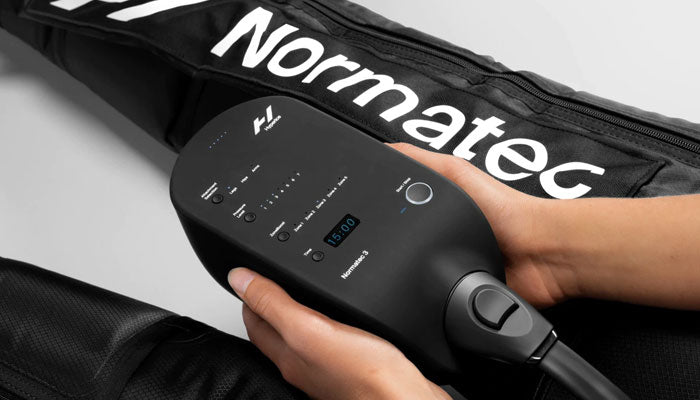
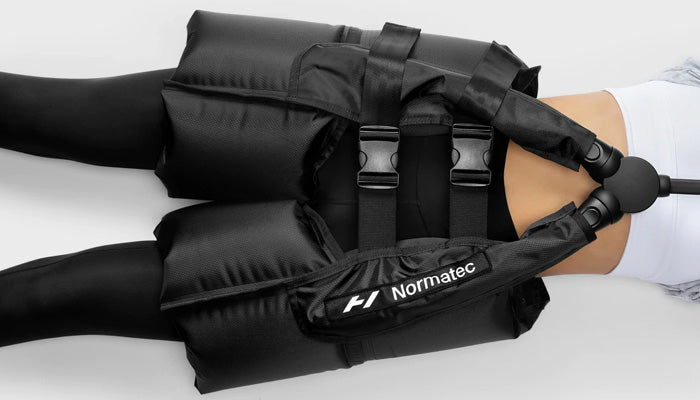
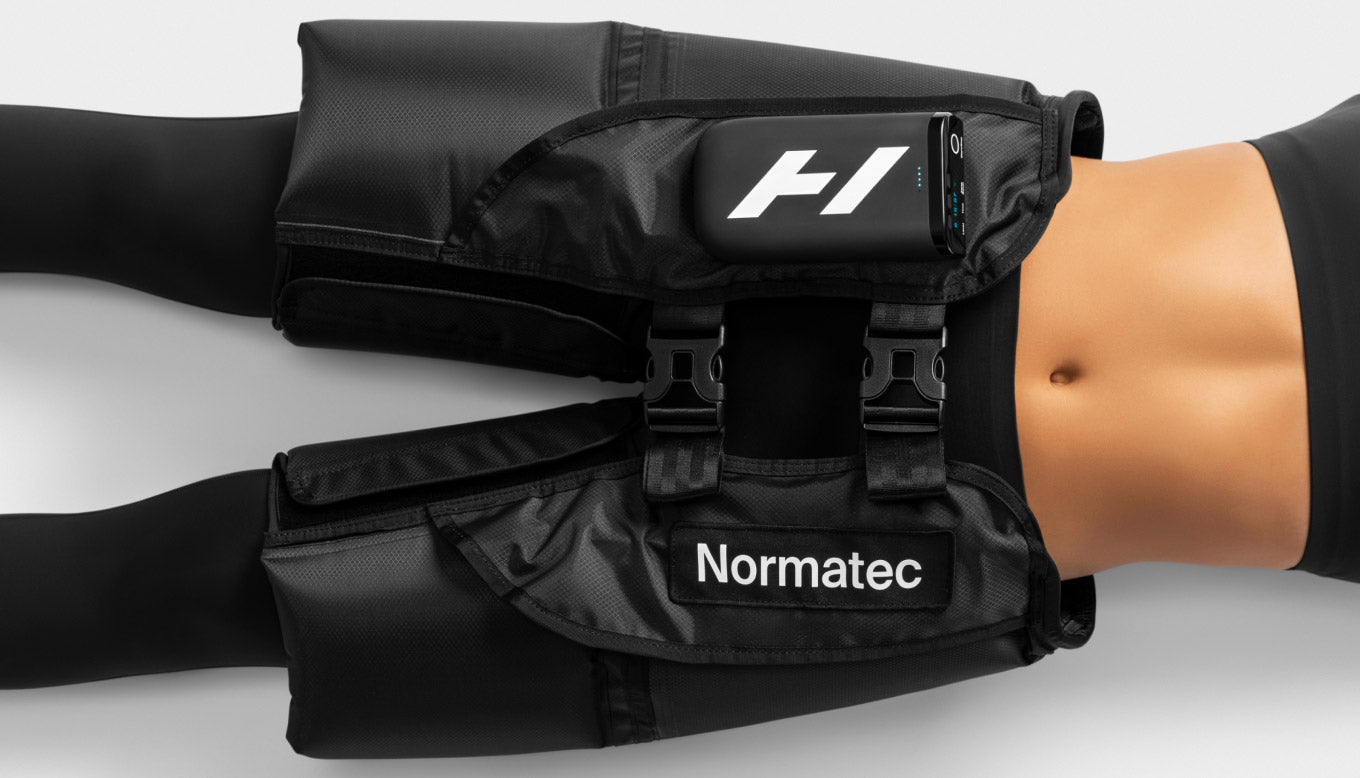
Compression boots are easy to use because they require very little effort once you are set up. That can make them excellent for evening recovery, post-game routines, or busy athletes who want a session without having to think too much. The downside is portability and setup. Even portable systems take more space and are less grab-and-go than a handheld device.
Massage guns win on convenience. They are easier to store, easier to travel with, and faster to use in short bursts. If you only have five minutes between work and training, a massage gun is much more realistic. But because it is manual and active, it can also be easier to skip a full recovery session or rush through it without much intention.
Budget changes the decision
For many buyers, this is where the answer becomes clear. Compression boots are usually a larger investment. You are paying for a more specialized recovery system built around lower-body circulation support and repeated use. If leg recovery is your main concern and you train hard enough to use them often, that investment can make sense.
Massage guns are generally more accessible. They are often the easier entry point for someone building a home recovery setup, especially if they want one tool that can be used on multiple body areas. If you are not sure how often you will use recovery tech, a massage gun can be the lower-risk starting point.
For commercial buyers, the math is different. Boots can create a higher-value recovery station for athletes, members, or patients, while massage guns work well as flexible support tools in treatment or warm-up areas. The better purchase depends on whether your space is designed around passive recovery, therapist-guided treatment, or both.
Should you get both?
Sometimes, yes. Not because more gear is always better, but because the tools complement each other well.
Compression boots handle the broad recovery session. A massage gun handles the stubborn spots. That pairing makes sense for serious runners, field-sport athletes, cyclists, and active adults who deal with both overall leg fatigue and localized tightness. It also makes sense in clinics and performance spaces where different users arrive with different needs.
Still, if you are choosing just one, be strict about your main problem. Heavy legs after training usually points toward compression boots. Tight, specific muscles across different body regions usually points toward a massage gun.
How to make the right call
Ask yourself three simple questions. Where do you feel it most? When do you need relief most? Do you want a passive session or hands-on control?
If your answer is lower-body fatigue, after training, and passive recovery, compression boots are likely the better fit. If your answer is targeted muscle tightness, before or after workouts, and precise control, a massage gun is probably the smarter choice.
At Recovery Room, that is how we look at recovery equipment in the first place - not as gadgets, but as tools matched to a real problem. Buy for the outcome you want, not the category that gets the most attention.
The right recovery tool should make it easier to train again, move better tomorrow, and stay more consistent over time. Start there, and the decision gets much simpler.