Order Summary
No items in your bag. Let's Start Shopping!





Free Shipping - Hyperice
Free Shipping on Hyperice Products
A squat rack gets attention. A recovery room keeps members coming back.
That shift matters more than ever. Gym owners, performance directors, and studio operators are under pressure to deliver results that go beyond hard training. Members want less soreness, fewer setbacks, better mobility, and a clear reason to stay loyal. The right recovery room equipment for gyms can help close that gap between effort and progress.
A good recovery space is not a luxury add-on tucked beside the washrooms. It is a functional extension of the training floor. When it is planned properly, it supports post-workout recovery, helps athletes manage physical strain, and gives general members a practical way to feel better between sessions. The key is choosing equipment based on how people actually recover, not just what looks impressive on a spec sheet.
The best recovery spaces solve specific problems. Some members walk in with heavy legs after interval work. Some need help settling down after intense strength training. Others are managing recurring pain points in the knees, back, shoulders, or calves. That means your equipment mix should support several outcomes at once - circulation, tissue relief, mobility, pain management, and nervous system downregulation.
This is where many facilities get it wrong. They buy one trendy device, place it in a corner, and expect it to carry the whole concept. Recovery does not work that way. A stronger setup usually combines guided self-service tools with a few premium modalities that create a noticeable experience.
The balance depends on your clientele. A strength gym serving powerlifters has different demands than a hockey training centre, a boutique studio, or a multi-purpose commercial gym. There is no universal shopping list, but there is a practical framework.
Before you buy anything, look at what your members do and what they complain about. If your facility is built around HIIT, running, team training, or leg-heavy conditioning, lower-body recovery should be a priority. If your client base includes desk-bound adults returning to exercise, mobility support and low-back relief may matter more than advanced performance tools.
Usage patterns matter just as much as training style. A recovery room that serves six semi-private clients a day can support more guided equipment. A high-traffic gym needs durable, easy-to-clean products that members can use with minimal staff intervention. If a tool requires constant explanation, setup, or supervision, adoption tends to drop.
Budget matters too, but cheap decisions often cost more later. Equipment that feels flimsy, complicated, or ineffective rarely earns repeat use. Members do notice the difference between a space built for real recovery and one built to check a marketing box.
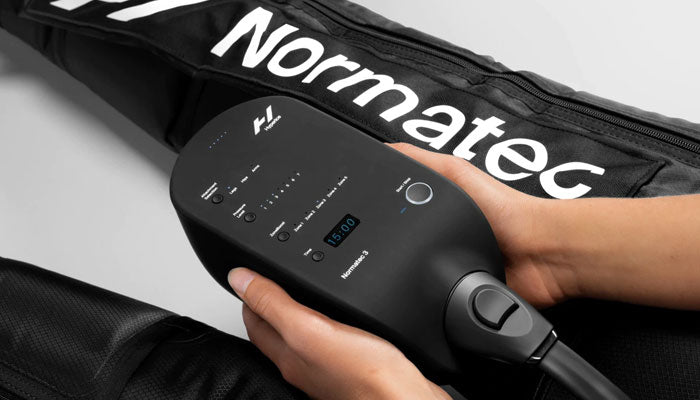
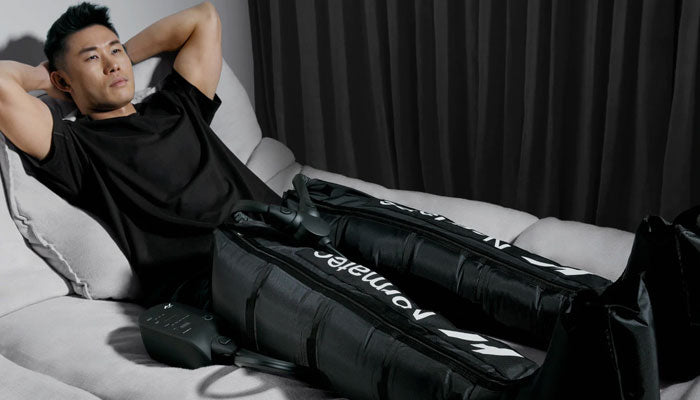
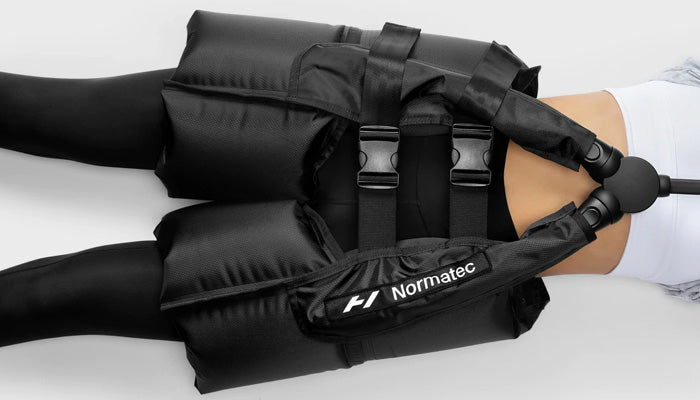
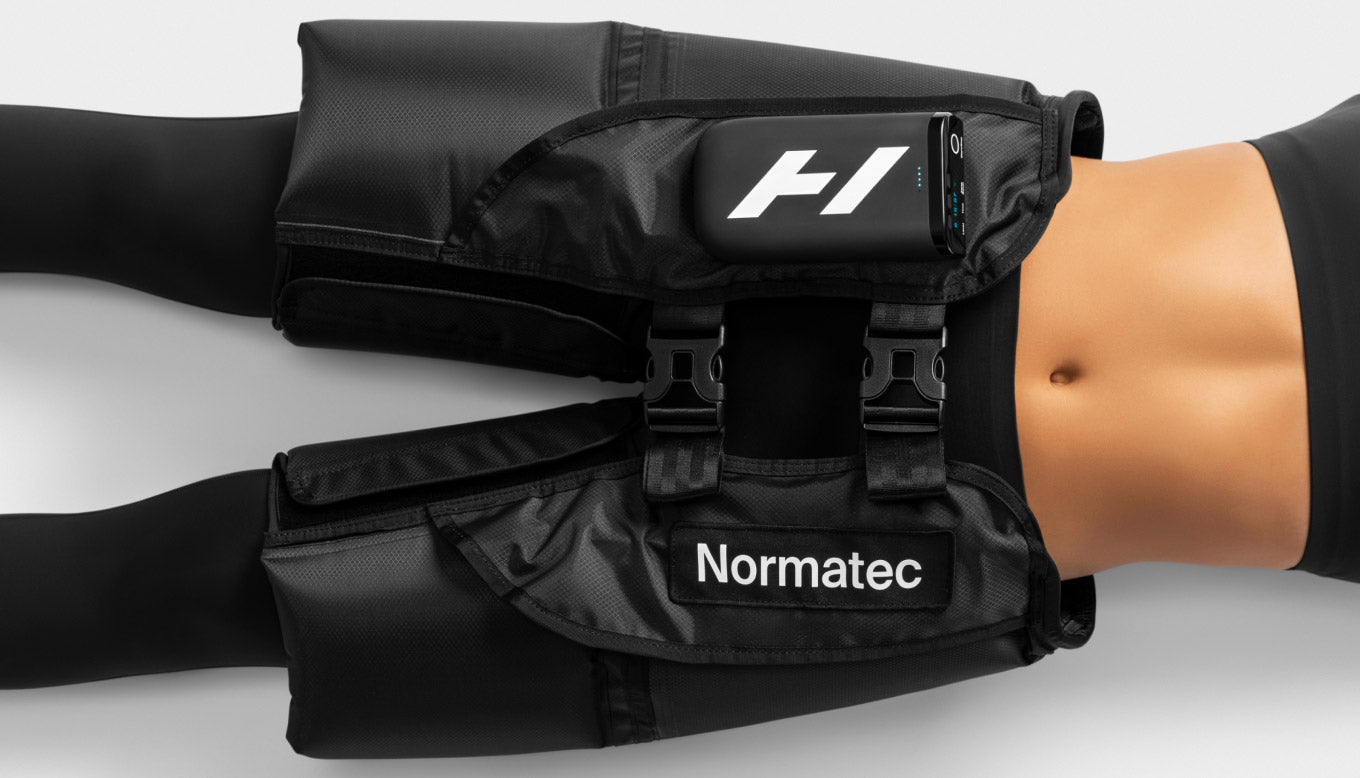
Compression therapy is often one of the easiest wins. Systems designed for legs, hips, or arms can help reduce the heavy, swollen feeling that follows hard training blocks, tournaments, or repeated conditioning sessions. In a gym setting, compression works well because it is intuitive, time-efficient, and delivers a clear physical sensation. Members understand it quickly, which helps with buy-in.
Cold therapy is another strong option, especially in facilities serving field sport athletes, runners, and high-volume trainees. It can be useful for short-term pain relief and post-session recovery, though the application should match the goal. Not every member needs aggressive cold exposure after every workout. In some cases, targeted cold therapy for irritated joints or acute flare-ups makes more sense than broad, routine use.
Contrast therapy has become more popular for good reason. Alternating heat and cold can support circulation, help members feel refreshed, and create a premium recovery experience that stands out. That said, it requires more space, more planning, and stronger operational controls than plug-and-play devices. For some gyms, it is a centrepiece. For others, it is an expensive distraction.
Heat and vibration tools can carry a lot of daily value. Heated devices, vibrating rollers, and percussion tools are widely used because they help members target common trouble spots without much setup. They also support a wider audience, from competitive athletes to general fitness members who simply want to move better and reduce stiffness.
Mobility tools deserve more respect than they usually get. Slant boards, stretching systems, bands, massage balls, foam rollers, and targeted mobility accessories are not glamorous, but they are often the most consistently used pieces in the room. They support warm-up and cool-down routines, they cost less than large-format equipment, and they help create repeatable recovery habits.
Treatment tables can also make sense if your facility works with therapists, athletic trainers, or recovery practitioners. In a gym with integrated services, a table turns the room into more than a self-serve zone. It creates space for hands-on treatment, assessments, taping, and guided recovery sessions.
Red light therapy gets attention because members see it as advanced, but it needs to fit your model. In the right setting, it can add a strong wellness and performance layer for clients focused on muscle recovery, tissue support, and routine-based care. In the wrong setting, it becomes a rarely used feature because members do not understand when or how to use it.
Premium tools are worth considering when they deepen the member experience and justify pricing, retention, or service differentiation. They make less sense when they absorb budget that should have gone into foundational tools people will use every day.
This is the trade-off many operators face. High-visibility equipment can help market the room. Foundational equipment usually drives the actual usage.
A small footprint can still perform well if the layout is intentional. The best recovery rooms move people through zones rather than cramming in devices. One area might support decompression and low-stimulation recovery. Another might focus on tissue work and mobility. A third could handle guided modalities such as compression or cold therapy.
Traffic flow matters. Members should be able to understand the room quickly, clean equipment easily, and transition from one station to the next without needing constant staff support. If the room feels confusing, it will sit empty outside of your most engaged members.
Cleanability is not a side issue. Upholstery, surfaces, straps, and shared contact points need to hold up under frequent sanitizing. Commercial-grade durability is worth prioritizing, especially for high-use items like compression systems, treatment surfaces, and mobility tools.
The best equipment in the world does not help if no one uses it properly. Adoption usually comes down to staff confidence and simple education. Coaches and front-line staff should know which tools suit sore legs, stiff backs, irritated shoulders, or post-event fatigue. They do not need to deliver a lecture. They just need enough knowledge to guide members with confidence.
Signage, short protocols, and recovery add-ons can make a major difference. A 10-minute lower-body reset after leg day. A post-run compression routine. A mobility station for shoulders and thoracic spine after upper-body sessions. These light-touch systems turn the room into part of the training experience rather than an afterthought.
This is also where a specialist retailer can add value. A provider that understands recovery by sport, injury pattern, and training demand can help gyms avoid random buying and build a more coherent room from the start.
A performance facility serving teams and serious athletes will usually benefit from compression therapy, targeted cold therapy, treatment tables, percussion tools, and durable mobility stations. These users expect a performance return, so the room should feel structured and efficient.
A general commercial gym may need a broader mix. Easy-entry tools such as heated massage devices, foam rolling stations, stretch supports, and leg compression systems tend to get the most traction because they serve both avid lifters and everyday members.
Boutique studios often do best with fewer, better pieces. If the space is small, a polished recovery corner with guided routines can outperform a packed room of underused gadgets. Quality, ease of use, and visual clarity matter more than quantity.
For rehab-informed or integrated wellness spaces, the setup may lean more clinical. Treatment tables, mobility tools, resistance equipment, taping support, and targeted pain-relief modalities can create a bridge between therapy, exercise, and ongoing recovery.
Members do not judge recovery spaces by the price of the equipment alone. They judge them by whether they feel better after using them. That means your room should deliver noticeable relief, a sense of structure, and enough simplicity that members can build it into their routine.
The best rooms feel purposeful. They support training outcomes. They reduce friction between hard sessions. They give people another reason to trust your facility with their long-term performance and mobility.
If you are building or upgrading a gym recovery space, start with the problems your members need solved most often. Buy for usage, not novelty. Then create a room that helps people recover smart so they can train strong again tomorrow.