Your legs are heavy after a long run, hard hockey practice, or demanding lower-body session. You have 15 minutes before work, family obligations, or your next training session. In the compression boots vs foam rolling decision, the better choice depends less on which tool is more popular and more on what your body needs right now.
Both methods can earn a place in a smart recovery routine. Foam rolling is hands-on, targeted, and useful when stiffness is limiting how you move. Compression boots are passive, consistent, and especially practical when your legs feel fatigued after high-volume training or long periods on your feet. They are not interchangeable, and neither is a replacement for sleep, nutrition, sensible training progression, or medical care when pain is persistent.
What compression boots do best
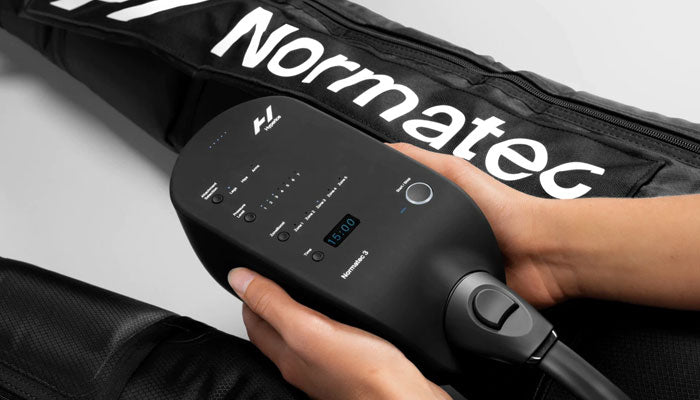
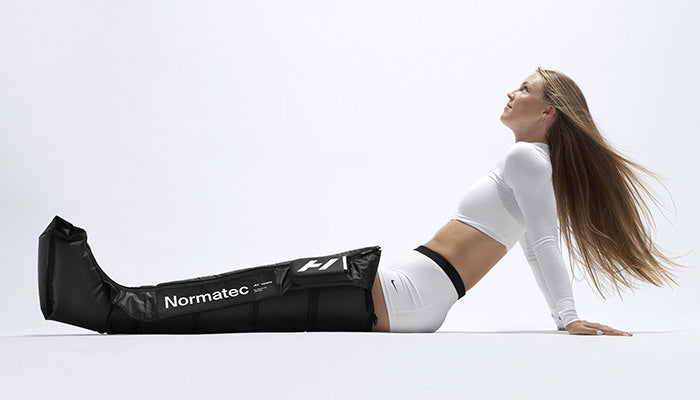
Compression boots use inflatable chambers to apply sequential pressure to the legs, and sometimes the hips or arms depending on the system. The pressure cycles from one chamber to the next, creating a massage-like sensation while you rest.
For active people, the biggest advantage is convenience. You can sit back after cycling, skiing, strength training, or a tournament weekend while the system delivers an even treatment to both legs. That matters when you are tired enough that a floor-based mobility session is unlikely to happen.
Many users report that compression therapy helps their legs feel lighter, less tight, and more ready for the next session. Research on intermittent pneumatic compression suggests it may support perceived recovery and reduce some markers of post-exercise soreness for certain athletes. The response is individual, though. It is more accurate to view boots as a recovery-support tool than a shortcut that flushes away all fatigue.
Compression can be particularly useful after long endurance sessions, travel, back-to-back games, or physically demanding work. It is also easy to standardize in a team, clinic, or training facility. Set a pressure level and session length, then let the athlete relax rather than relying on someone to apply the same manual technique every time.
Where compression boots have limits
Boots do not directly address a specific restricted area the way focused self-massage can. If your outer hip, calf, or upper back feels unusually tight, a full-leg compression session may feel great without changing the movement issue that is bothering you.
They also require more upfront investment and access to an outlet or charged unit. For some people, the pressure can feel uncomfortable at high settings. More pressure is not automatically better. Start conservatively and use a setting that feels firm but comfortable.
Anyone with a history of blood clots, significant circulation concerns, uncontrolled high blood pressure, acute infection, or certain heart conditions should speak with a qualified healthcare professional before using compression therapy. New one-sided swelling, warmth, redness, severe calf pain, numbness, or shortness of breath needs medical assessment, not a recovery session.
What foam rolling does best
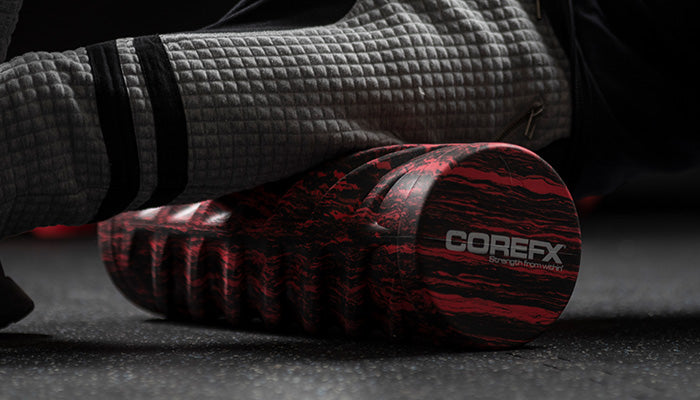
A foam roller creates direct pressure on muscles and surrounding soft tissue. You control the angle, pressure, speed, and exact location, which makes it useful before training and when a particular area feels restricted.
The most reliable benefit is short-term range-of-motion improvement. Rolling the calves before a run, the quads before squats, or the upper back before overhead work can help you move more freely without the temporary performance drop that can sometimes follow prolonged static stretching. It can also reduce the feeling of muscle soreness after training.
Foam rolling is portable, affordable, and adaptable. A smooth roller provides broad, moderate pressure. A firmer roller or massage ball can target smaller areas such as the feet, glutes, or upper back. For athletes building a home recovery setup, it is often one of the first tools worth owning because it supports both warm-ups and post-training care.
Where foam rolling has limits
Foam rolling asks more of you when you are already fatigued. Working your hamstrings, glutes, and quads properly can take effort, and rolling large areas is not always relaxing. It can also become unproductive when it turns into a painful search for knots that will not release.
Avoid rolling directly over joints, the low back, varicose veins, open skin, bruises, or an acutely injured area. Sharp pain, tingling, burning, or symptoms that travel down an arm or leg are signals to stop. A roller may ease the sensation of tightness, but it cannot diagnose a tendon injury, stress fracture, nerve irritation, or serious muscle tear.
Pressure is another common mistake. You do not need to grimace for foam rolling to work. Slow, tolerable pressure for 30 to 90 seconds per area is usually more useful than aggressively grinding the same spot for several minutes.
Compression boots vs foam rolling for common recovery goals
If your goal is post-training leg recovery, compression boots often have the edge. They are ideal when both legs feel generally fatigued after mileage, hills, skating, lifting, or a long shift. Use them when you want to recover while reading, hydrating, eating, or simply getting off your feet.
If your goal is better mobility before training, foam rolling is usually the stronger first choice. A brief session can prepare stiff areas for movement, especially when you follow it with dynamic drills and sport-specific warm-up work. Think of the roller as preparation, not the entire warm-up.
If your goal is targeted tension relief, choose the tool that reaches the area. A roller or massage ball is better for a specific calf, glute, lat, or upper-back restriction. Compression boots are more appropriate for broad lower-body fatigue rather than one stubborn spot.
If your goal is a recovery routine you will actually repeat, compression may win. Consistency is a major advantage. A 20-minute boot session you use after every hard workout can provide more real-world value than a roller sitting unused in the corner.
Use both when your training load demands it
For many athletes, this is not an either-or purchase decision. Foam rolling and compression boots work well together because they solve different problems.
Try foam rolling before your workout when you need to restore comfortable motion. Keep it brief and focused: calves and ankles before running, quads and hips before squats, or upper back and lats before pressing. Follow with movement that reinforces the range you have just opened up.
After a demanding session, use compression boots for a passive recovery window. A 20- to 30-minute session at a comfortable setting is a practical starting point for most healthy users. Drink fluids, have a meal or snack with protein and carbohydrates when appropriate, and prioritize sleep later that night.
On rest days, choose based on how you feel. General heaviness may call for boots. A clear mobility restriction may call for a roller and a few controlled mobility exercises. If soreness is severe, worsening, or altering your gait, reduce training load and consider an assessment from a physiotherapist or other qualified professional.
Make the choice based on your real routine
A foam roller is a highly effective, low-cost tool for people who need targeted mobility work and prefer an active approach. Compression boots are a strong option for athletes and active adults who want repeatable, low-effort support after demanding sessions, travel, or long days on their feet.
Recovery Room customers often get the best results by matching the tool to the problem rather than chasing the most intense sensation. Tight before training? Roll and move. Heavy after training? Settle into compression. When recovery fits your schedule, it becomes a habit that helps you train stronger and stay active longer.